The Most Award Winning and Highly Reviewed Rug Store In Arizona
Alyshaan Fine Rugs is Scottsdale’s leading luxury rug store specializing in hand-knotted rugs, custom rugs, and expert rug cleaning & restoration services.
What Our Clients Say About Us
At Alyshaan Fine Rugs, our commitment to excellence is reflected in the glowing reviews from our satisfied customers. Don’t just take our word for it—hear what people are saying on Google, Houzz, and Yelp.
EXCELLENT Based on 306 reviews
 Posted on Google
 Paul ShaneckWe just finished refitting several areas of our Condo in Scottsdale and replacing the floors in two bedrooms with tile. After getting that done we wanted to add 3 rugs to the condo. We added two rugs in the two bedrooms (one converted into an office) to lower the sound volume, and replace a rug in our living room, All of this was accomplished in one day. Alyshaan has a great selection of a variety of sizes of rugs and we selected the ones we liked (typically 3 semi-finals for each space) and the team brought them to our house and installed the selected ones in our condo. Everything was done perfectly and professionally. We are delighted with our experience with Alyshaan!Posted on Google
 Elle ColganThe staff and courtesy at Alyshaan Fine Rugs is incredible. They take pride in their store and helping customers get the best experience. I fully recommend them for your fine rug selection and also for the maintenance and cleaning of your fine rugs.Posted on Google
 Alicia BaumanWe just had 5 oriental rugs cleaned at Alyshaan Fine Rugs. I am beyond pleased with their work. Every rug came out beautifully cleaned and look brand new - even the 50 year old Persian. I will give them the highest compliments and definitely will use them in the future to clean our treasured oriental rugs.Posted on Google
 Brenda Tovar ChatfieldPurchased two rugs. The selection was grand as well as the service. Highly recommend Alyshaan Fine Rugs!Posted on Google
 Megan KaneThese people are so kind they brought my rug back to life , and are so personable. Definitely worth it will continue to come here for anything I need cleaned! Also just an amazing staff everyone is so nice 😊Posted on Google
 Darlene Collins BukowskiAlyshaan has the largest inventory of rugs in the greater Phoenix area. The staff quickly pull out the size color and pattern in the store, and bring the 3 choices we narrowed down to actually view in our living room. We made our choice and couldn’t be happier!Posted on Google
 C CreagerNot only do they have an amazing selection of high quality rugs to choose from, but their customer service is exceptional. Hands down one of the best experiences from any type of business.Posted on Google
 Naile BrennanThese people do a phenomenal job of cleaning and repairing fine Persian Rugs. Staff is friendly, personable and professional. My rugs always look great! Thank you!Posted on Google
 debrunsfarWhat a great experience. We picked several rugs that fit our space that caught our eye. Those and a few more were brought to our home so we could see them in the space before we bought. It was so convenient.
Tribal & Nomadic Rugs in Scottsdale
Authentic hand-knotted tribal and nomadic rugs woven by master artisans across Iran, Pakistan, Afghanistan, Turkey, and Morocco. Bold geometry, hand-spun wool, natural dyes, and the soul of the weaver in every knot. The largest in-stock collection of tribal rugs in Arizona, inside the Scottsdale Design Center.
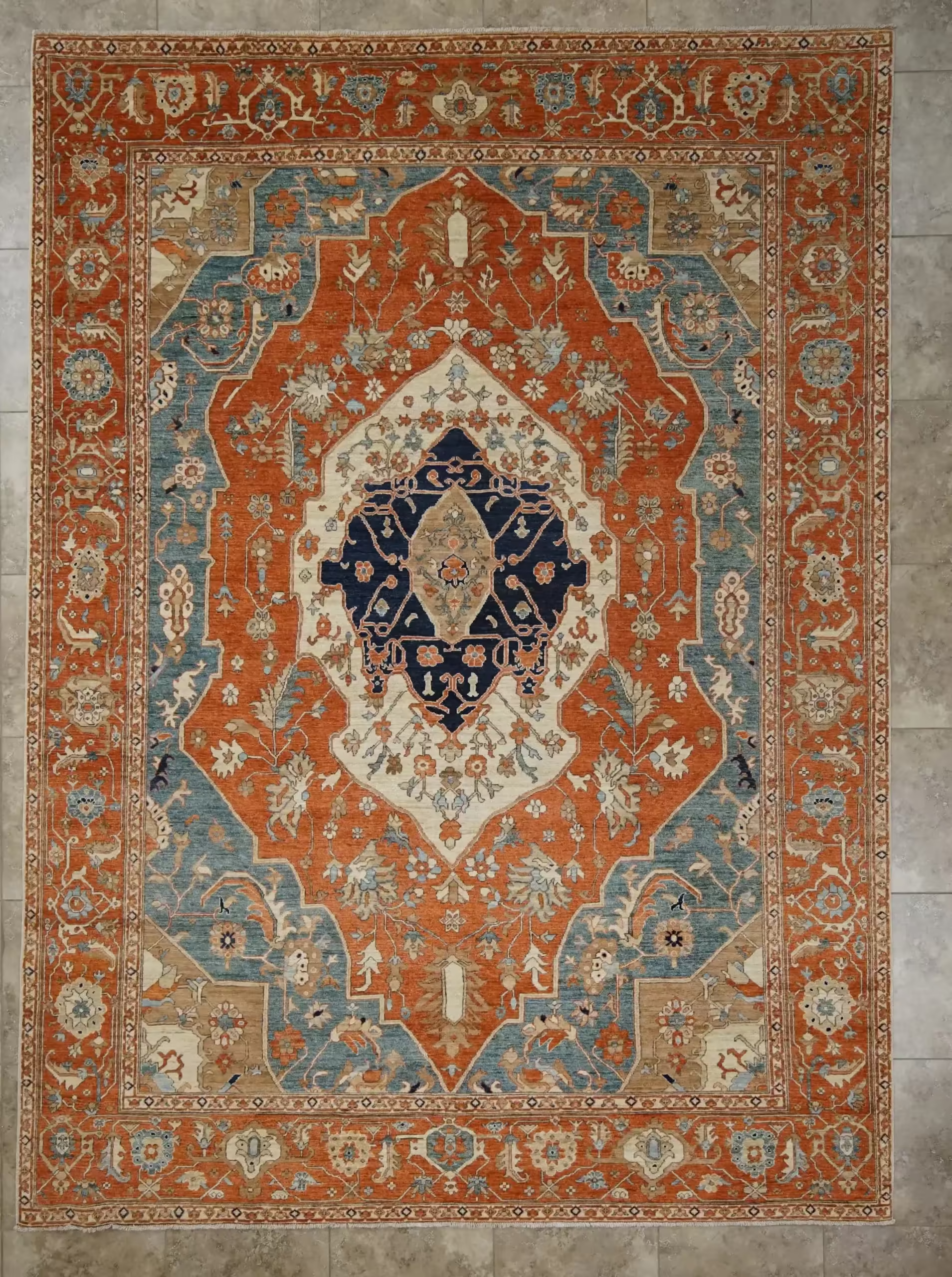
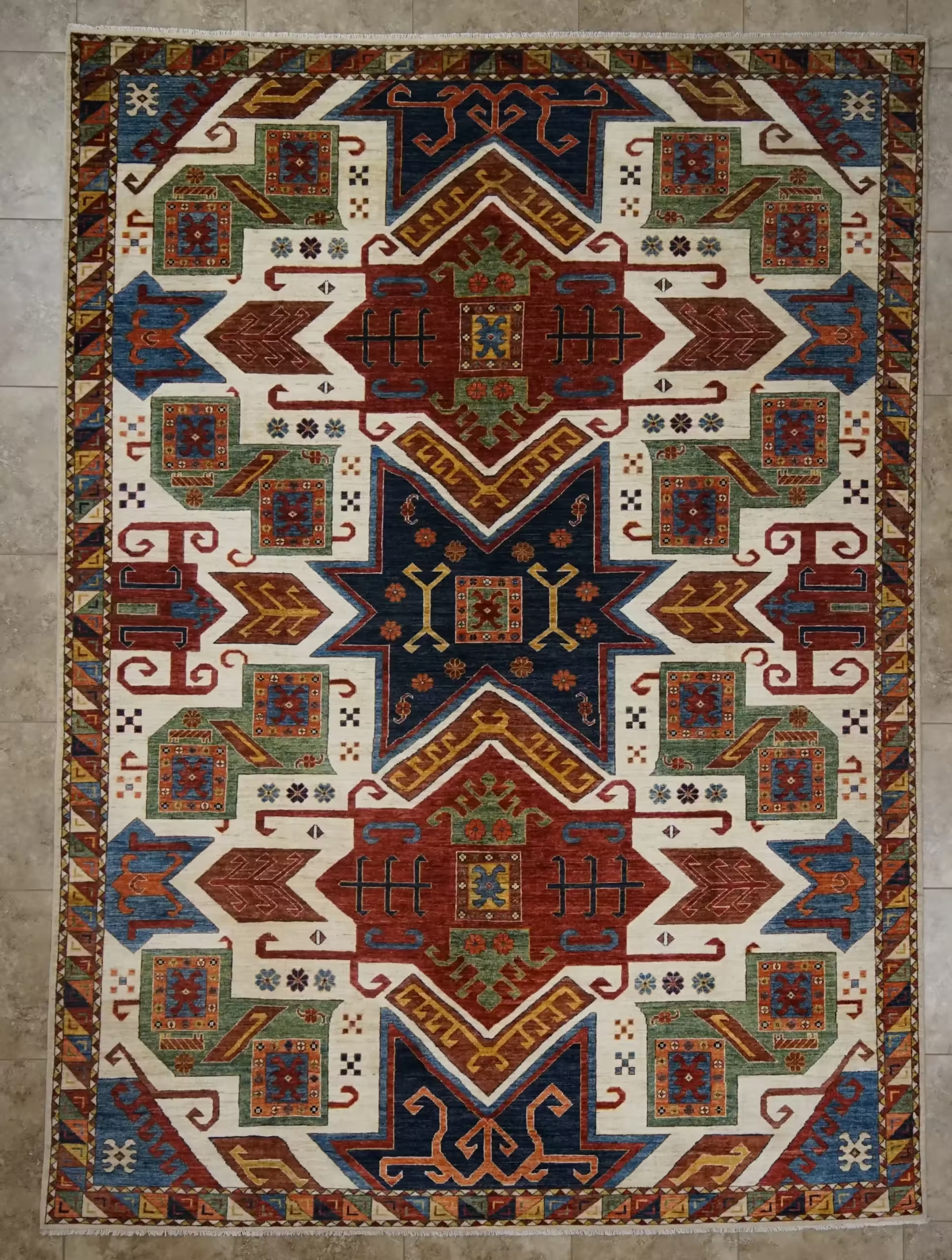

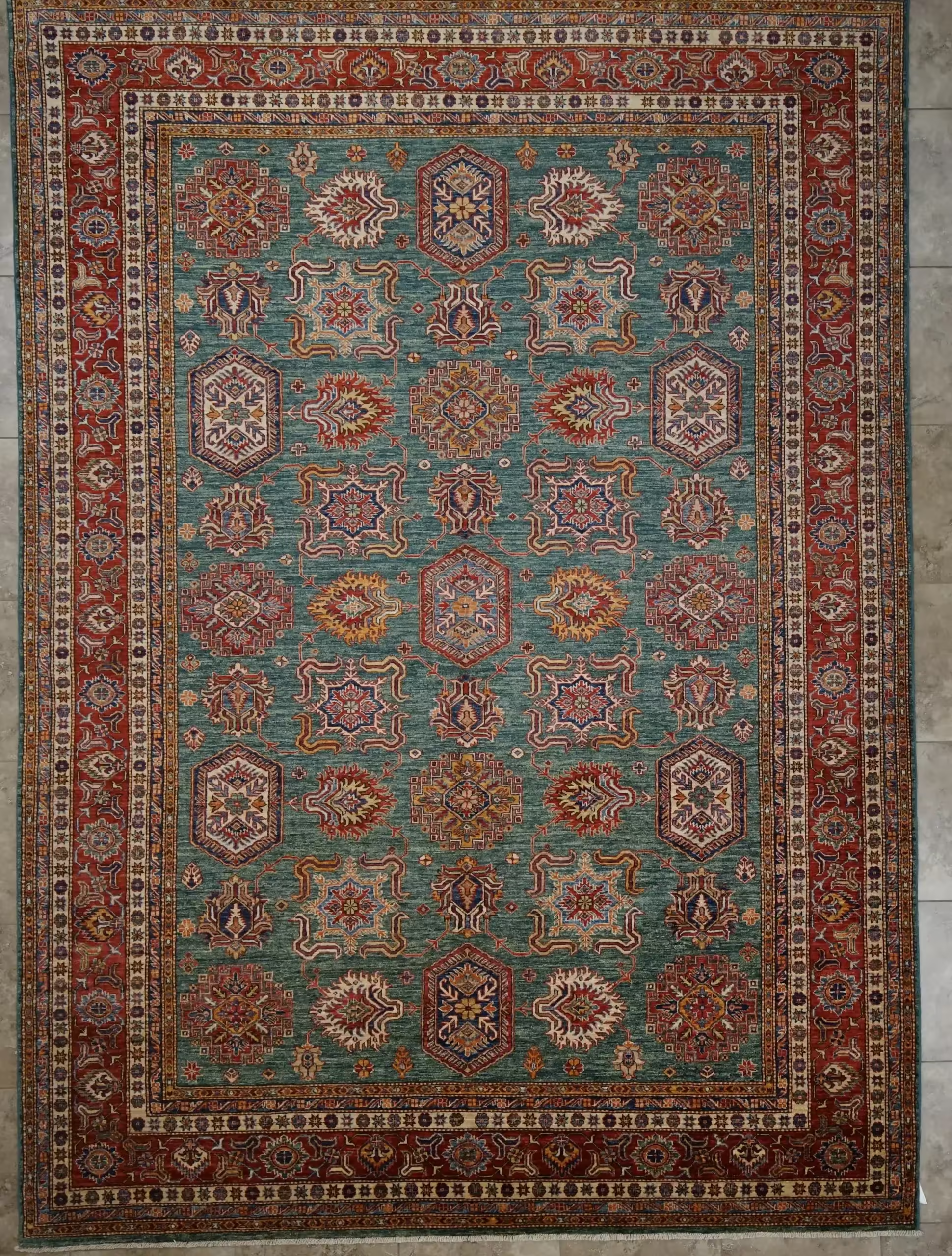
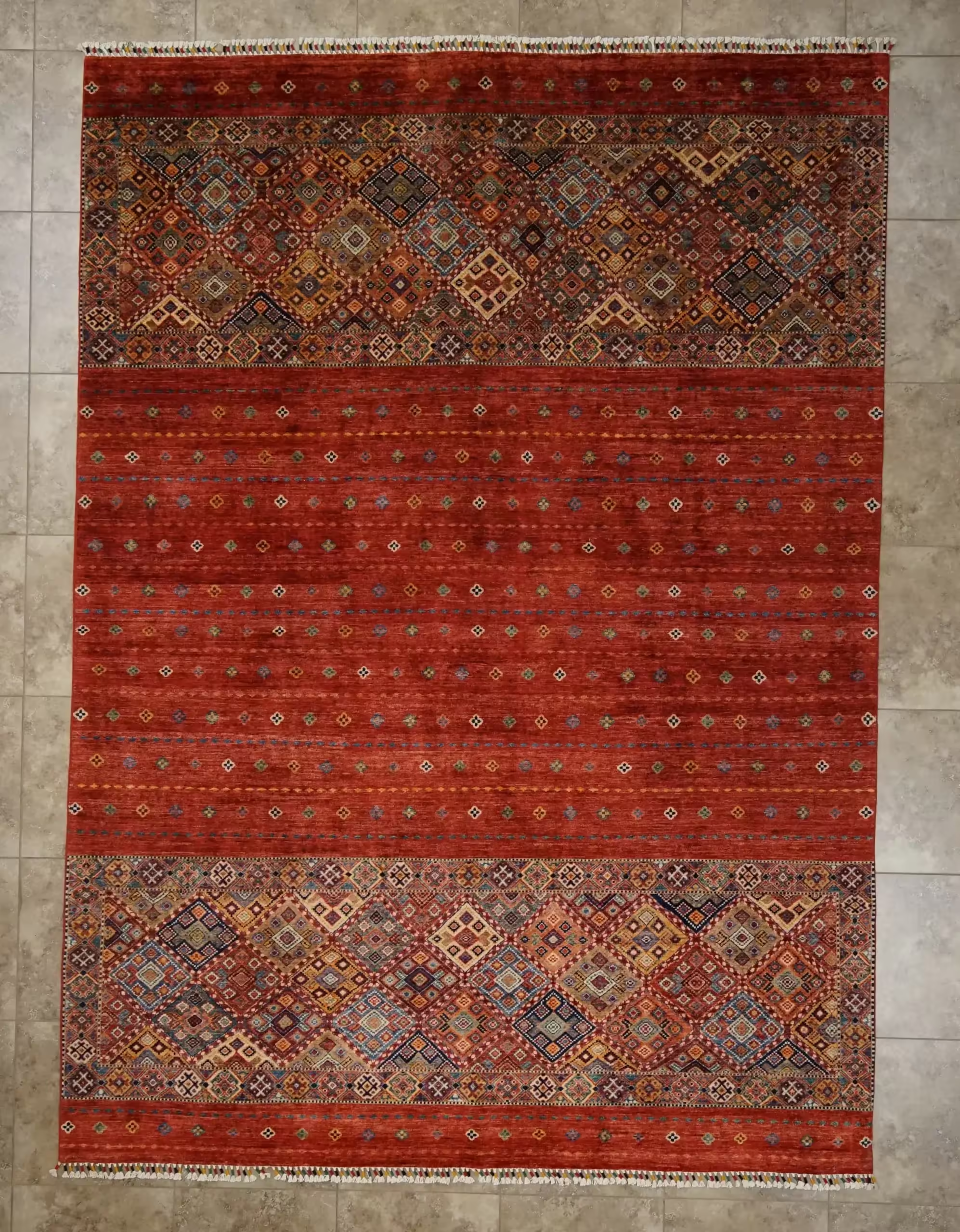
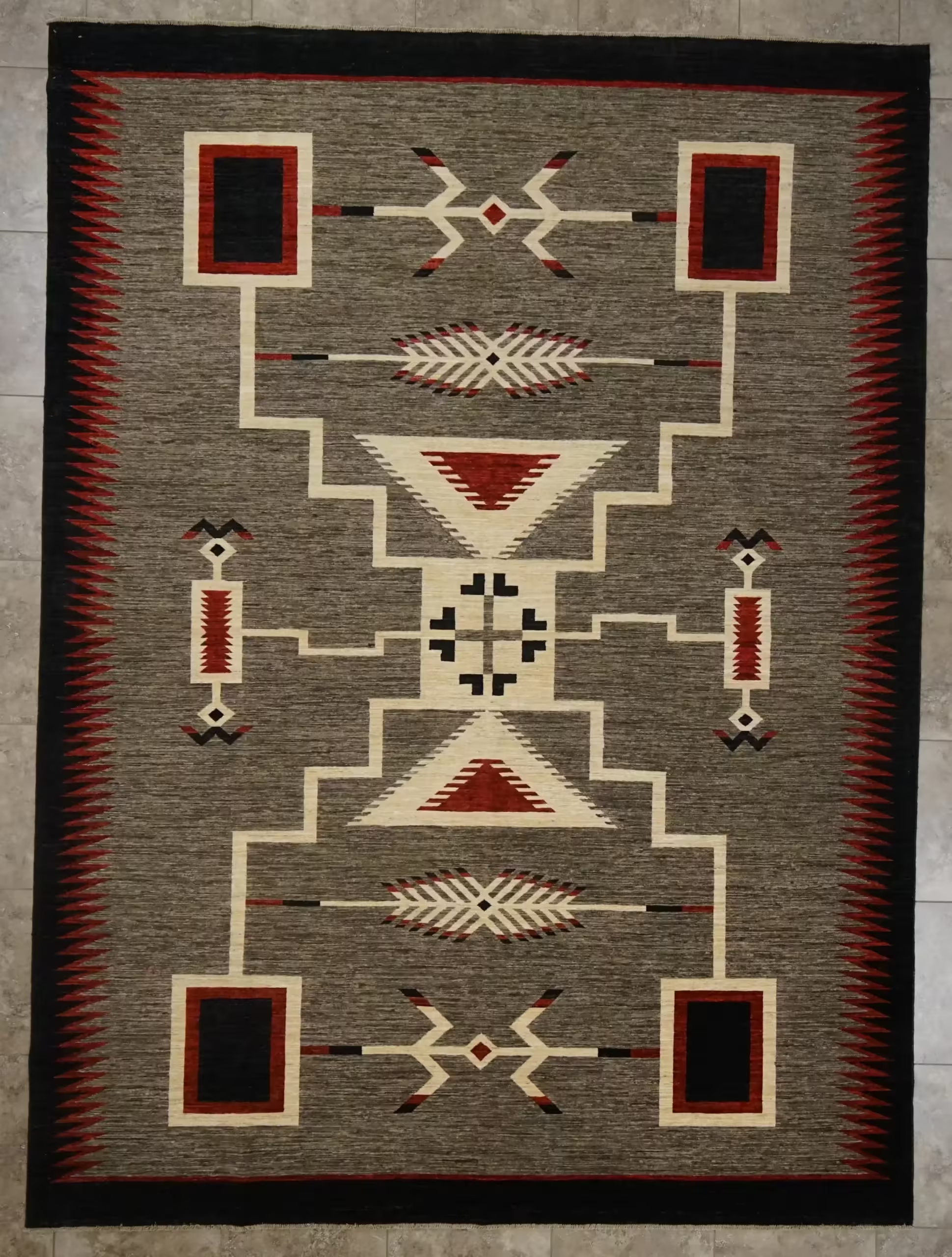

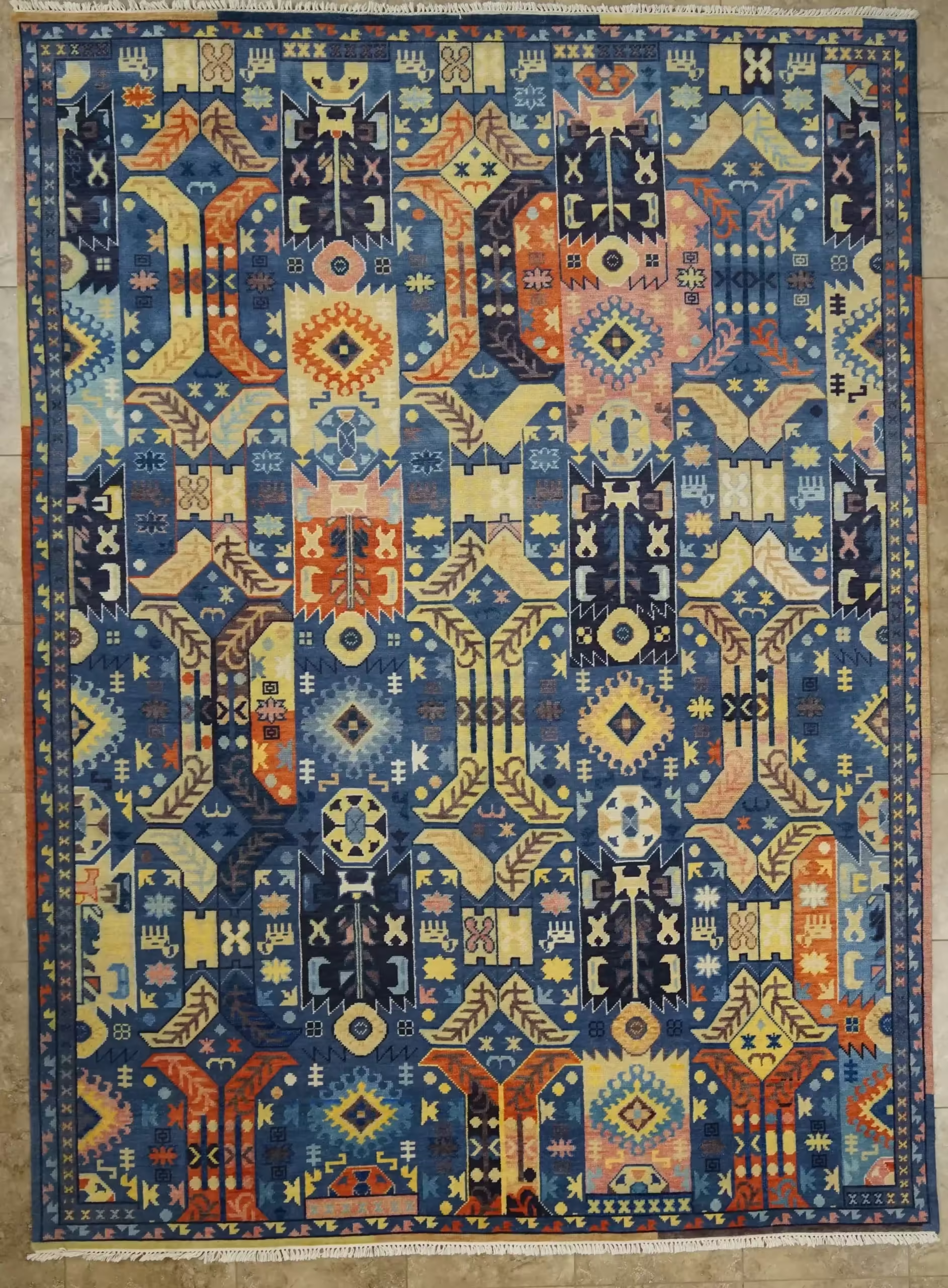
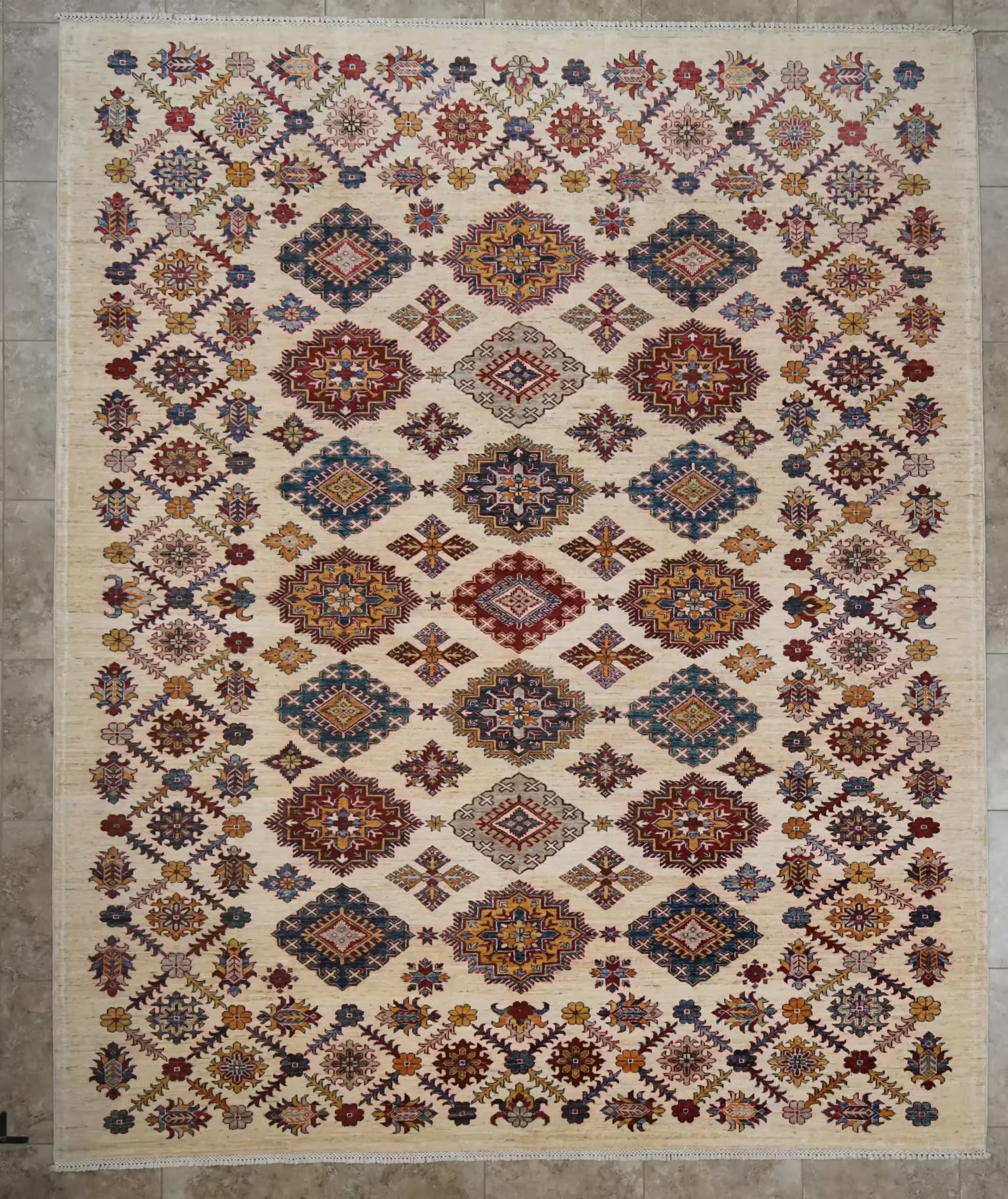
Glimpse of Collection
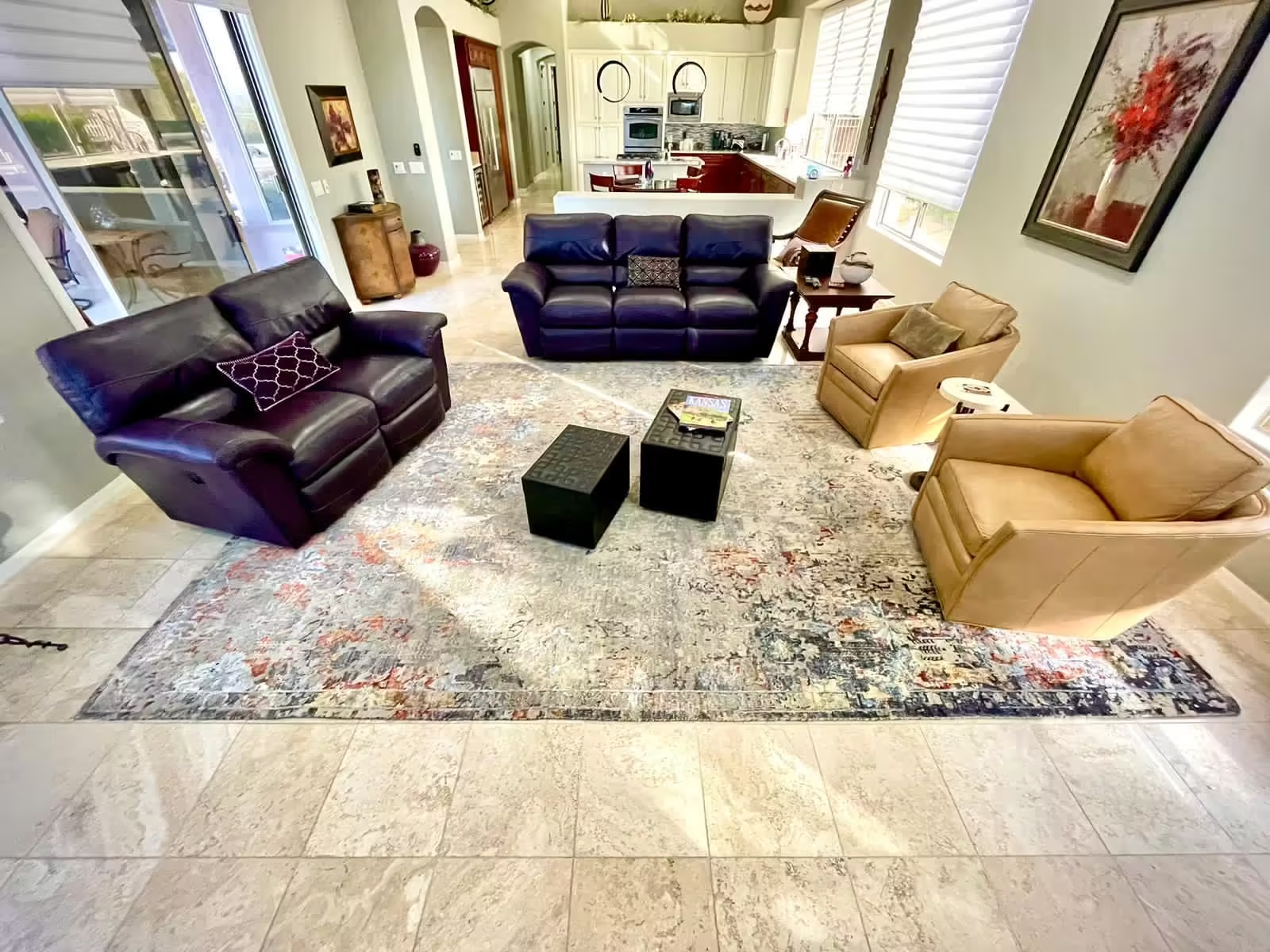
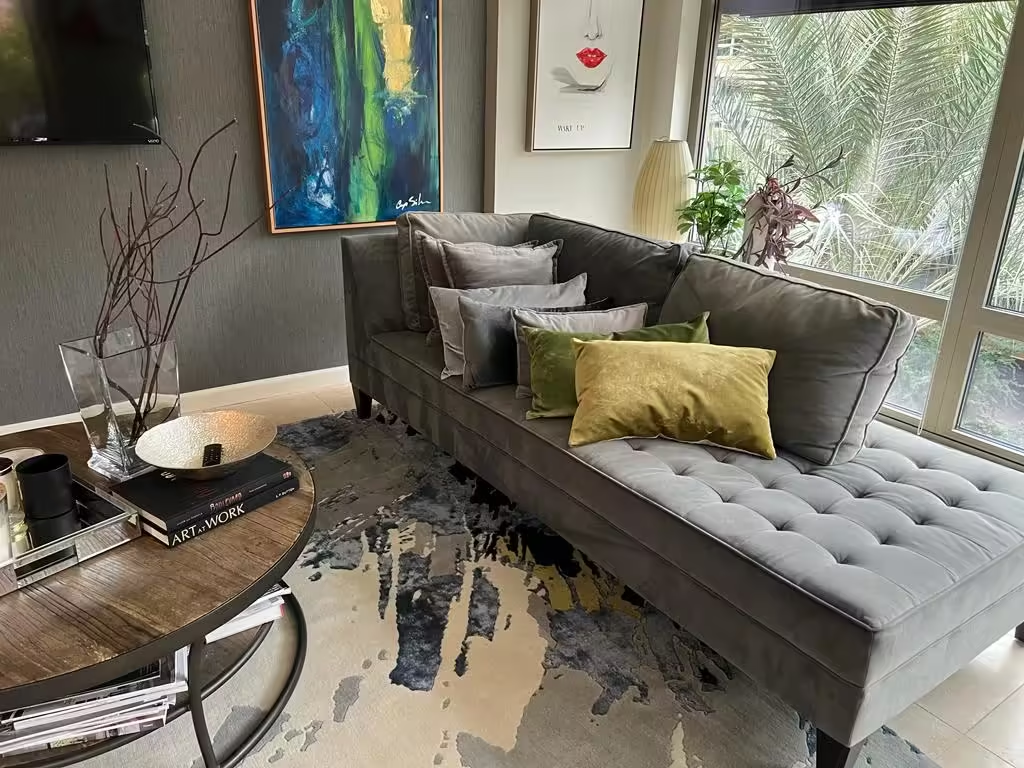
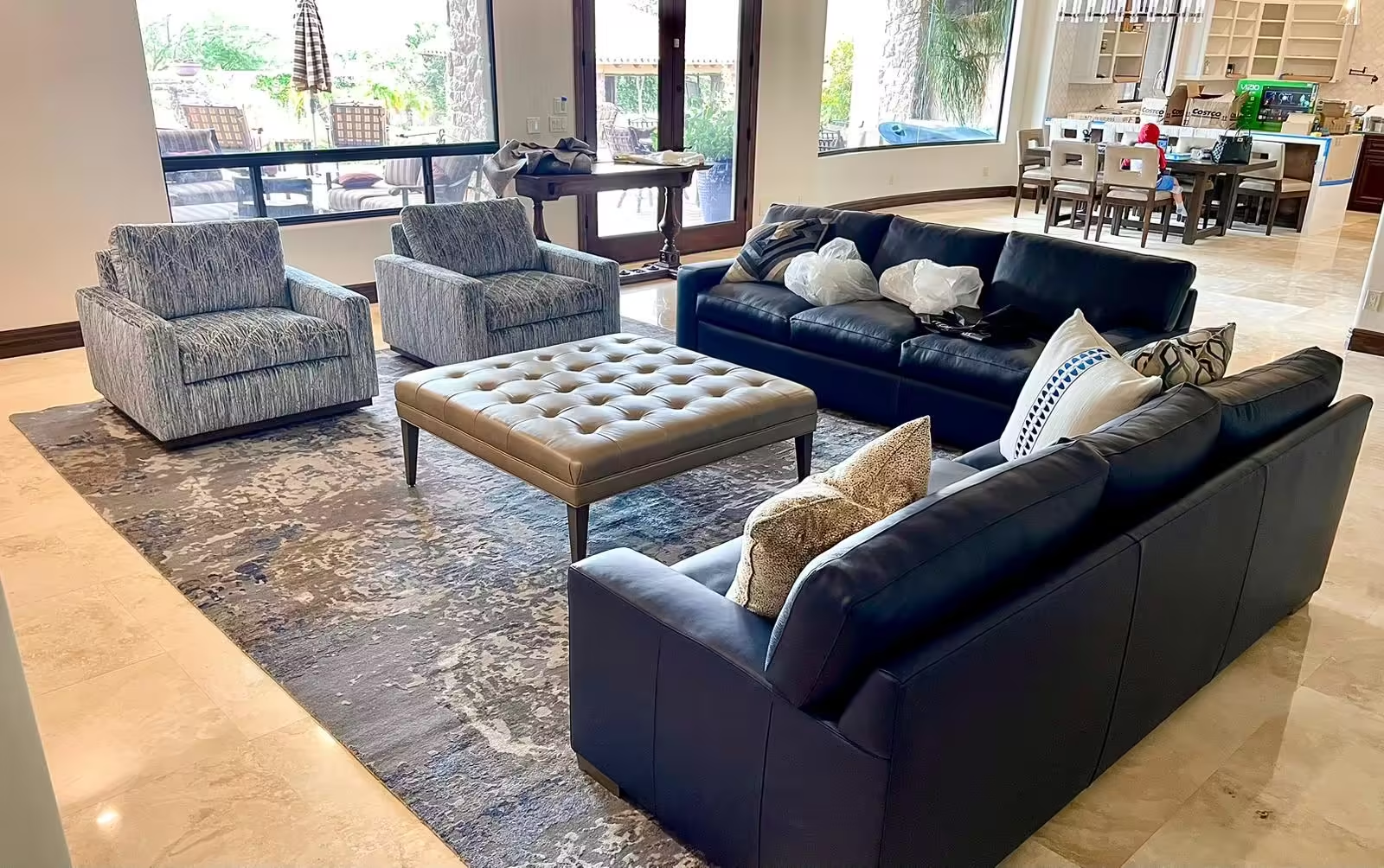
See how Alyshaan Fine Rugs have transformed homes across Arizona. Our project gallery highlights the beauty and versatility of our rugs. Want to feature your home? Contact us at [email protected]
Persian & Traditional Rugs: More Information
What is a tribal rug?
A tribal rug is a hand-knotted or handwoven rug created by a specific tribal or village weaving group — not in a commercial city workshop. Where Persian city rugs from Tabriz or Isfahan are designed by a master, drawn on graph paper, and woven by a team to exact specifications, tribal rugs are designed and woven by the same person. The weaver works from memory, from her mother’s patterns, from her tribe’s symbols, and often from her own imagination.
That difference shows in the rug. Tribal rugs are asymmetrical, bold, and personal. Knot counts are lower. Colors are stronger. Designs are geometric rather than floral. Borders may not be perfectly straight. A tribal rug is not “less refined” than a city rug — it is a different art form with different goals. Many of the most collectible rugs in the world are tribal.
Tribal rug traditions include:
- Persian Qashqai & Gabbeh — The Qashqai are a confederation of nomadic tribes in southern Iran. Their rugs feature distinctive medallions surrounded by tribal motifs, animals, and human figures. Gabbeh is a plusher, more minimalist Qashqai weaving with abstract blocks of color and exceptional thickness.
- Caucasian Kazak — Woven historically in the Caucasus region (modern Armenia, Azerbaijan, and Georgia) and now reproduced beautifully in Pakistan as Pak-Kazak. Bold geometric medallions, saturated reds and ivories, and exceptional wool quality.
- Afghan Baluch & Ersari — The Baluch tribes of Afghanistan and eastern Iran produce some of the world’s most distinctive prayer rugs and small-format pieces. Deep reds, blues, and browns with intricate tribal symbols.
- Turkish Yörük & Anatolian — The Yörük are Turkey’s traditionally nomadic peoples. Their rugs feature high pile, hand-spun wool, and bold geometric designs in earth tones.
- Moroccan Berber — Beni Ourain, Azilal, and Boucherouite rugs woven in the Atlas Mountains by Berber women. Typically undyed ivory wool with sparse black or brown geometric figures.
What is a nomadic rug?
Nomadic rugs are a subset of tribal rugs, distinguished by how and where they are woven. A nomadic rug is created by a traveling pastoral people — tribes that move their flocks between summer and winter pastures — using a portable horizontal loom that can be disassembled and packed onto pack animals.
Because the loom is set up and taken down repeatedly as the tribe moves, nomadic rugs are typically smaller than city rugs (you cannot weave a 12×15 on a portable loom) and may show small irregularities where the tension changed between encampments. Far from being defects, these subtle variations are signatures of authenticity. They are evidence the rug was made by hand, by a person, on a real loom, in a real place.
The wool used in nomadic rugs is also different. Nomadic weavers shear their own sheep, spin their own yarn, and often dye it themselves using natural materials — madder root for red, indigo for blue, walnut husks for brown, pomegranate for yellow. Hand-spun, naturally-dyed wool ages beautifully. It develops a soft patina over decades that machine-spun, chemically-dyed wool can never replicate.
Where our tribal & nomadic rugs come from?
Alyshaan sources tribal rugs directly from weaving cooperatives and master traders in five countries:
- Iran — The original home of Persian tribal weaving. Qashqai, Gabbeh, Luri, Bakhtiari, Afshar, and Shahsavan rugs from the Zagros Mountains and Fars Province.
- Pakistan — Now one of the most important sources of tribal-style rugs in the world. Pakistani weavers produce exceptional Pak-Kazak rugs using the finest hand-spun wool and natural vegetal dyes — often at quality levels that exceed the Caucasian originals.
- Afghanistan — Baluch, Ersari, Khal Mohammadi, and other Afghan tribal traditions. Deep red palettes, fine hand-spun wool, and centuries-old patterns woven by tribes that have continued their work through every disruption.
- Turkey — Anatolian and Yörük tribal weavings, plus reproductions of historical kilims and pile rugs from regions like Konya, Karapinar, and Bergama.
- Morocco — Authentic hand-knotted Berber rugs from the Middle and High Atlas Mountains, including Beni Ourain and Azilal traditions.
We work directly with sources we have known for years — in many cases, families our family has worked with for two generations. There is no middleman. That is why our pricing is what it is.
Tribal rugs in Arizona interiors
Tribal rugs may be the single best rug category for Arizona homes. Three reasons:
- The aesthetic match is uncanny. Southwestern, desert-modern, and Santa Fe interiors share a visual language with tribal weavings — earthy palettes, geometric pattern, hand-crafted texture, and reverence for natural materials. A Persian Gabbeh in a Scottsdale great room looks like it was made for that room.
- They handle indoor-outdoor living. Arizona homes are open, sun-flooded, and lived-in. Tribal wool stands up to that life. The natural lanolin in hand-spun tribal wool repels dirt and stains better than any treatment a manufacturer can apply.
- They work with everything. Tribal rugs anchor traditional Spanish Colonial homes, soften ultra-modern Paradise Valley builds, and make the most of mid-century Phoenix ranch houses. The shared language is honesty — tribal rugs look like what they are.
Quality, materials and what to avoid
Tribal-style rugs are everywhere. Authentic tribal rugs are not. Most of what is sold as “tribal” or “Moroccan” or “Beni Ourain” in big-box stores and online marketplaces is hand-tufted — yarn punched through a fabric backing and glued in place with latex adhesive.
In Arizona’s dry climate, that latex backing breaks down fast. The rug starts shedding within months. The glue releases chemical compounds you can smell on warm days. Within a few years, the rug is unusable.
Every tribal and nomadic rug at Alyshaan is hand-knotted or handwoven using fine wool, sometimes blended with silk, on a cotton or wool foundation. No glue. No backing. No shortcuts. That is why we offer a lifetime guarantee on materials and workmanship on every rug we sell — and why our tribal rugs will be in your family in fifty years.
Sizes and pricing
Our tribal and nomadic inventory ranges from 2×3 feet to oversized 12×18 pieces — the upper end is constrained by the portable looms tribal weavers use, which limit the width of any single rug. We stock all standard sizes (3×5, 4×6, 5×8, 6×9, 8×10, 9×12, 10×14) plus runners and rounds.
Pricing ranges from approximately $200 to $50,000+ depending on age, origin, knot density, wool quality, and rarity. Antique Caucasian Kazaks and rare Qashqai pieces command the highest prices; new-production Pak-Kazaks and Afghan tribal rugs offer extraordinary value at the entry and mid-range. Most room-size tribal rugs in our showroom fall between $1,200 and $15,000.
As direct importers with three generations in the trade, our prices on tribal rugs are the most competitive in Arizona — and they are the same price the first time you walk in and the same price if you come back next year. We do not have sales.
Why buy your tribal rug at Alyshaan?
Three generations in the trade since 1969
Our grandfather founded this business in 1969 as a manufacturer and exporter of fine rugs after a decorated military career. We have been in the United States since 1979 and in Scottsdale since 2001. Tribal rug knowledge — being able to look at a piece and tell you which tribe wove it, which region, which decade, and what the symbols mean — takes a lifetime to develop. We are the third generation doing this work.
The largest in-stock tribal inventory in Arizona
When other rug stores claim “the largest selection,” they usually mean rugs they can order. We mean rugs you can touch today. Our Scottsdale Design Center showroom holds the largest in-stock collection of authentic tribal and nomadic rugs in the state — Gabbehs, Kazaks, Baluchis, Moroccans, Afghan tribals, Turkish Anatolians, and more. Every piece is hand-picked. We never buy in bulk.
Free in-home showing throughout the Phoenix metro
Tribal rugs are personal. The right one is the one that looks correct in your home, in your light, with your furniture. Our background-checked staff will bring selected pieces to your home, lay them out, and leave them with you to live with as long as you need — at no cost, with no obligation. Furniture moving is included.
Lifetime guarantee & written appraisal
Every tribal rug we sell carries our lifetime guarantee on materials and workmanship, plus a written appraisal suitable for insurance and estate purposes — at no additional charge.
Free delivery, premium pad, full installation
Every purchase includes free delivery anywhere in the Phoenix metro area, a fine DuraHold pad cut to size by our showroom staff, and complete installation — including moving furniture. Our staff is background-checked, courteous, and trained to handle fine rugs.
Most awarded rug store in Arizona
Alyshaan has been recognized multiple times by the American Society of Interior Designers as Industry Partner of the Year, honored with the Spirit of Enterprise Award, and the SBA Small Business Success Award. We carry an A+ rating with the Better Business Bureau and hundreds of verified five-star reviews.
No sales. No gimmicks. Ever.
We are the only rug store in the country, to our knowledge, that has never had a sale and never will. We give you our best price the first time. If you come back in a year, the price will be the same.
Frequently Asked Questions
What is a tribal rug?
A tribal rug is a hand-knotted or handwoven rug created by a specific tribal or village weaving group, rather than in a city workshop. Tribal rugs are characterized by bold geometric designs, asymmetry, hand-spun wool, and the personal expression of the individual weaver. Major traditions include Persian Gabbeh and Qashqai, Caucasian Kazak, Afghan Baluch and Ersari, Turkish Yörük and Anatolian, and Moroccan Berber.
What is the difference between tribal and nomadic rugs?
The terms overlap heavily. Tribal refers to the cultural and design origin—rugs woven by a specific tribe or village. Nomadic refers more specifically to how the rug was woven: by traveling pastoral peoples on portable horizontal looms set up at temporary camps. All nomadic rugs are tribal, but not all tribal rugs are nomadic—some tribes have settled in villages while keeping their weaving traditions intact.
How much does a tribal or nomadic rug cost?
Tribal and nomadic rugs at Alyshaan range from approximately $200 for small Baluch or Gabbeh accent pieces to $50,000 or more for rare antique Caucasian Kazaks and oversized tribal masterpieces. Most room-size tribal rugs in our inventory fall between $1,200 and $15,000. As direct importers, our pricing is the most competitive in Arizona—every day, with no sales or markdowns.
Are tribal rugs good for high-traffic areas?
Yes—tribal rugs are among the most durable rugs on the market. Hand-spun tribal wool contains more natural lanolin than commercial wool, which makes it naturally stain-resistant and exceptionally long-wearing. Many tribal rugs that come into our cleaning facility are 60 to 80 years old and still in excellent condition. They are ideal for entryways, family rooms, and kitchens.
Do tribal rugs work in modern interiors?
Tribal rugs are arguably the best rugs for modern interiors. Their bold geometric patterns and saturated natural colors create instant visual interest in spaces dominated by clean lines and neutral palettes. A single Moroccan Berber, Persian Gabbeh, or Caucasian Kazak can become the focal point of a modern living room or great room.
What is a Gabbeh rug?
Gabbeh is a thick, plush tribal rug woven primarily by the Qashqai and Luri nomads of southern Iran. The name comes from the Persian word for “raw” or “natural.” Gabbeh rugs feature minimalist, often abstract designs with bold blocks of color, hand-spun wool, and natural dyes. They were originally woven for the weaver’s own family use—not for sale—which gives them a personal, expressive quality you don’t find in commercial rugs.
Are Moroccan rugs considered tribal?
Yes. Authentic Moroccan rugs—including Beni Ourain, Azilal, and Boucherouite—are tribal rugs woven by the Berber peoples of the Atlas Mountains. They are typically hand-knotted in undyed ivory and brown wool with sparse geometric designs. We carry authentic hand-knotted Moroccan rugs in our Scottsdale showroom—not the mass-produced imitations sold by big-box retailers.
Signature Collections
Explore our curated selection of rugs, each telling its own story of craftsmanship and heritage. From traditional designs to contemporary masterpieces, our collections are designed to captivate and inspire.
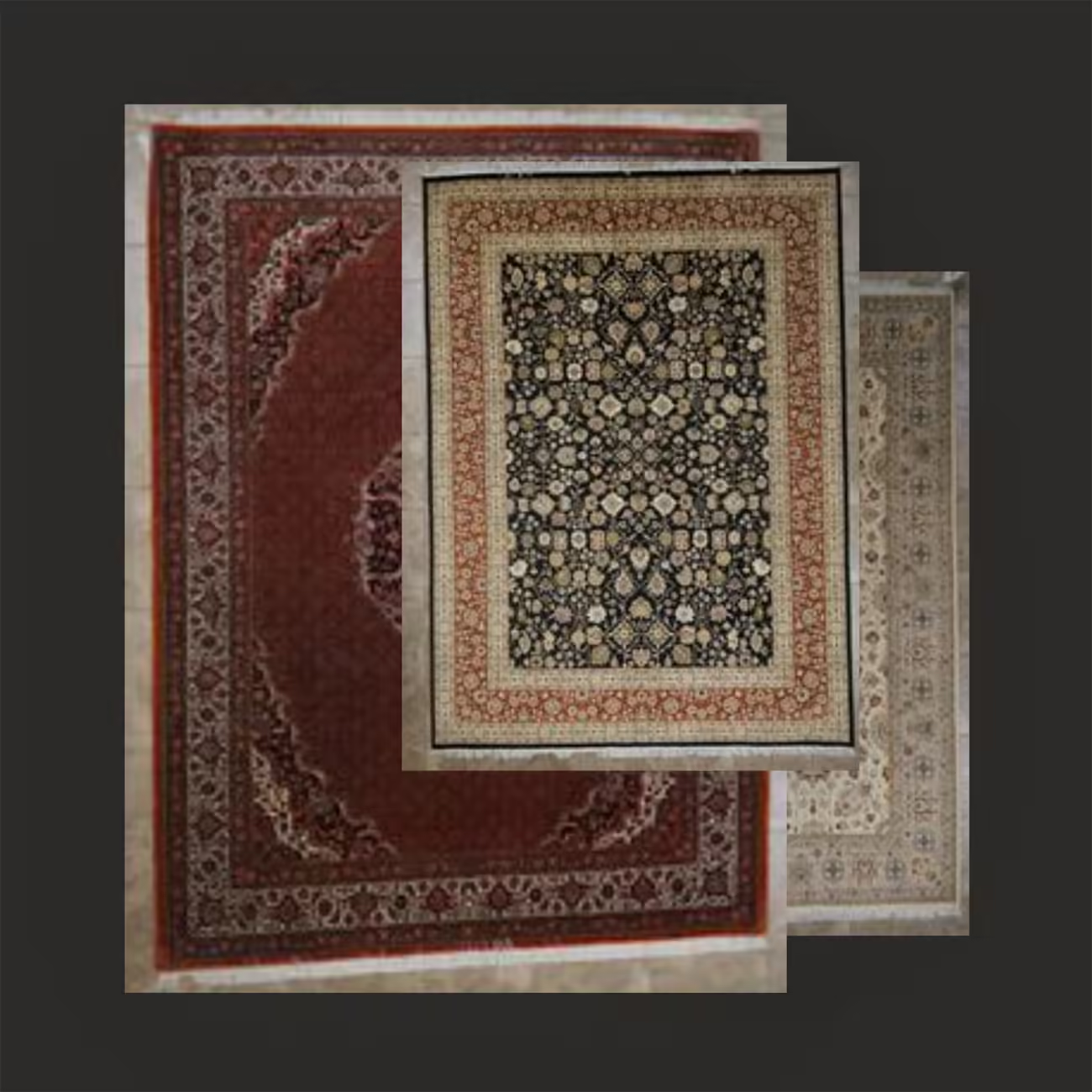
Persian Rugs
Renowned for intricate craftsmanship, elegant floral motifs, ornate central medallions, and fine borders. Persian rugs offer timeless luxury and exquisite detail. Best for formal living areas, dining rooms, and classic interiors seeking an air of sophistication and heritage.
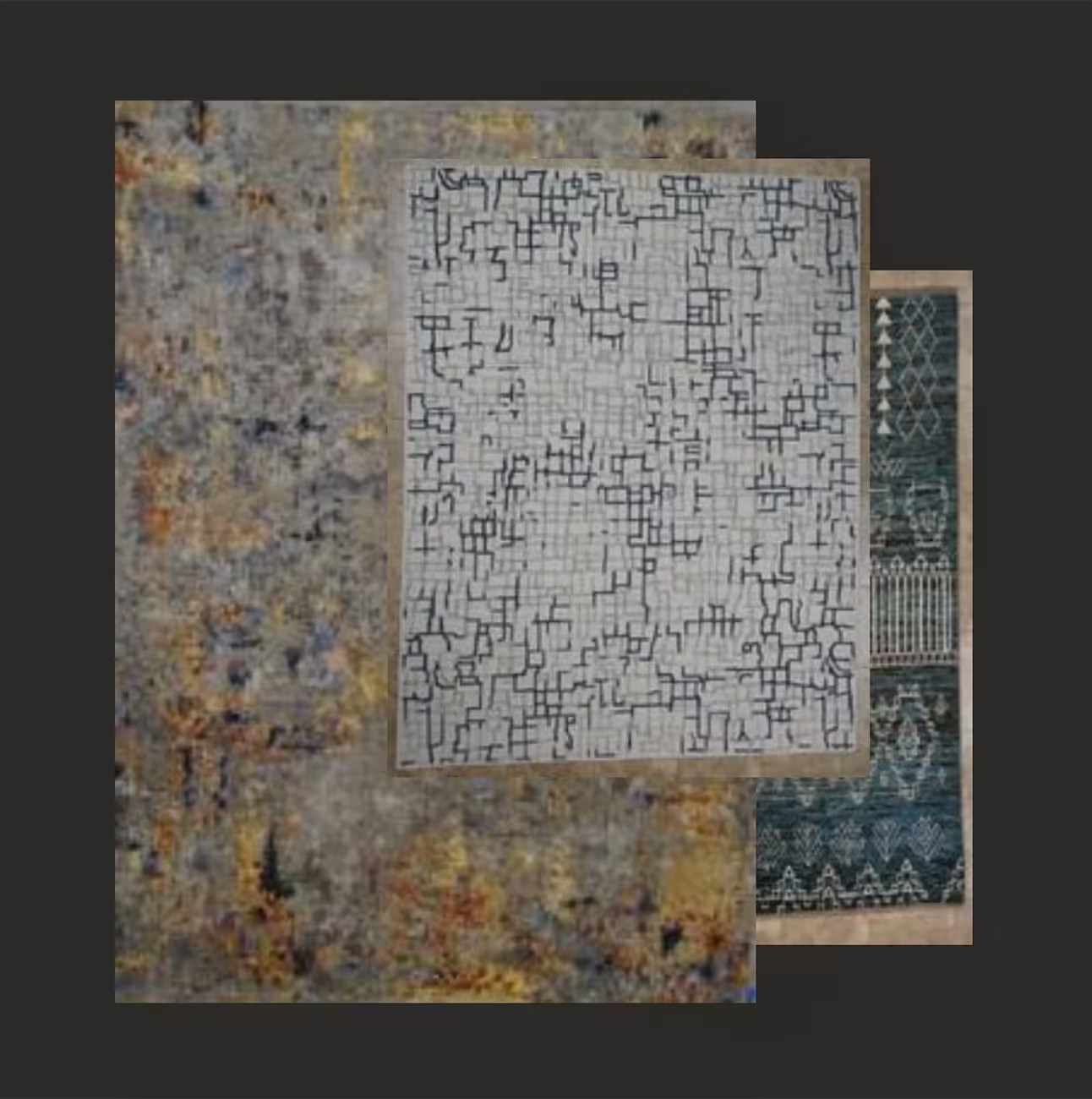
Contemporary Rugs
Defined by fluid abstract designs, geometric gridlines, textured weaves, and modern art influences, these rugs treat your floor like a canvas. Best for sleek, modern, minimalist, or modern-industrial interiors needing a fresh, artistic focal point.
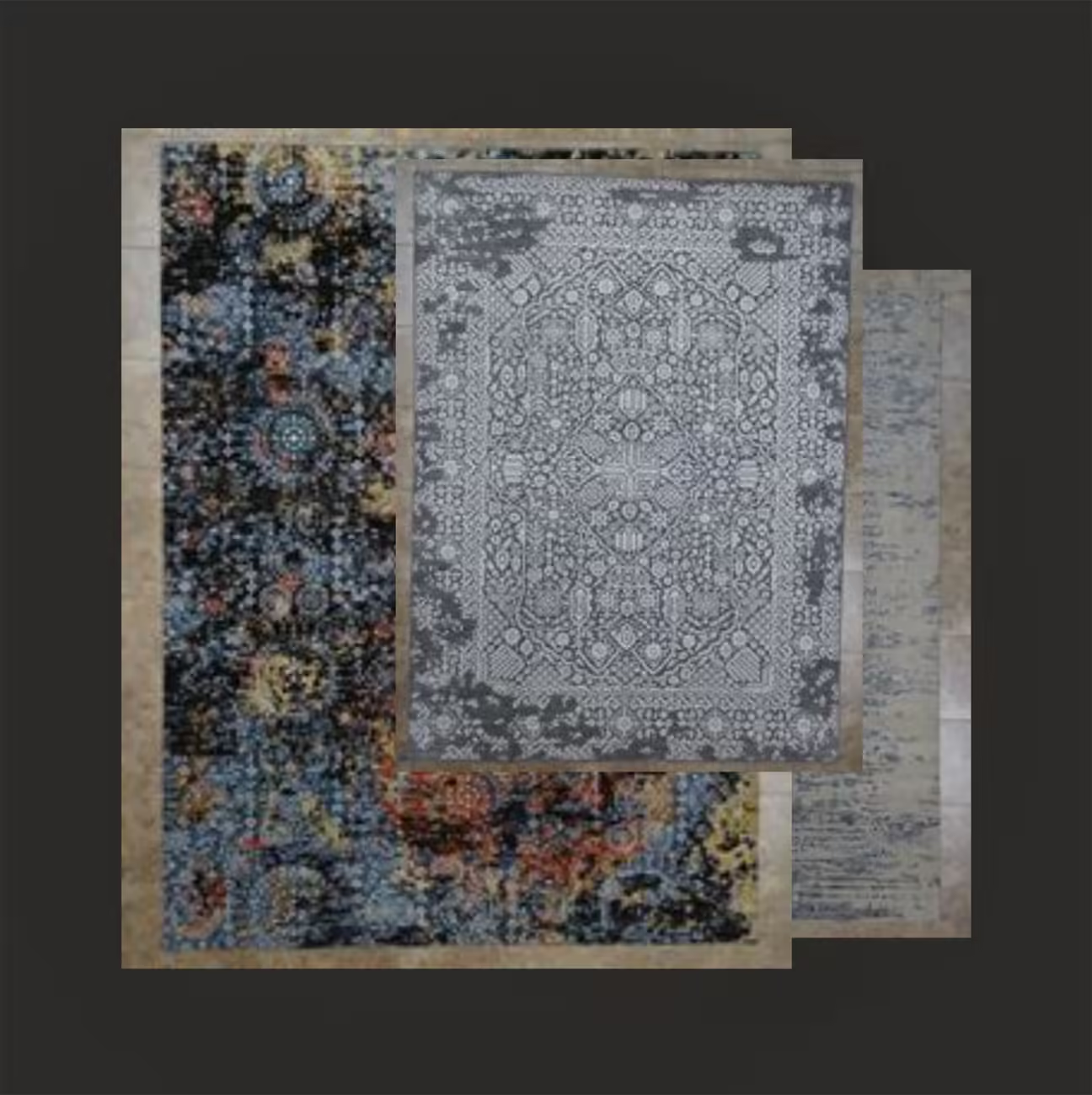
Transitional Rugs
Bridging the gap between classic and modern, transitional rugs blend timeless, traditional patterns with softened, contemporary, or distressed color palettes. Best for versatile styling. Perfect for homes that mix modern furniture with traditional accents.
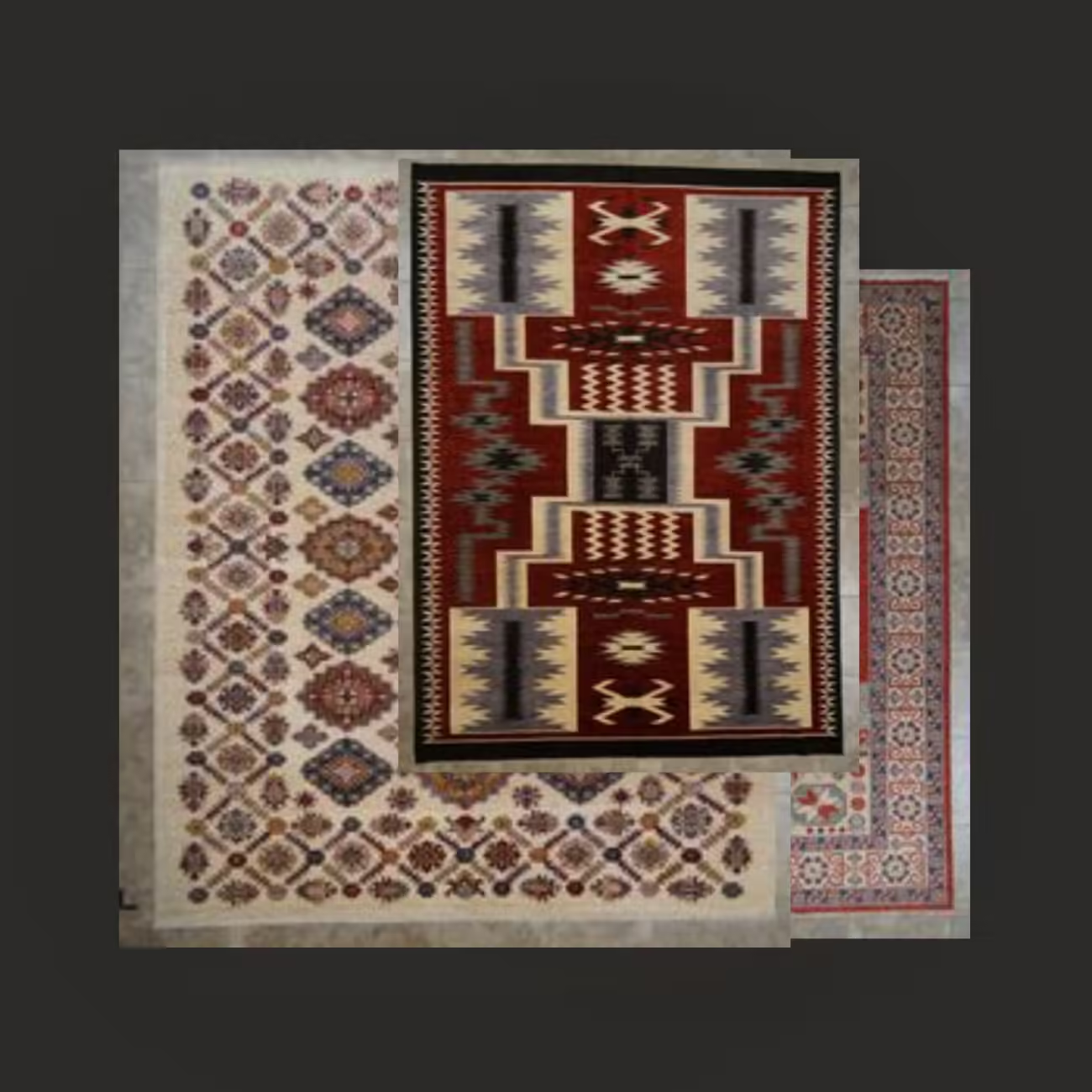
Tribal Rugs
Inspired by rich, ancestral weaving traditions, tribal rugs feature bold geometric patterns, vibrant symbolic motifs, and earthy color palettes. Best for adding warmth, character, and cultural depth to rustic, bohemian, or eclectic spaces.
As Seen In





Awards & Recognitions












Why Choose Alyshaan Fine Rugs?

Award-Winning Excellence
Proudly recognized as the most awarded and highly reviewed rug store in Arizona.
Vast Selection
From small entry rugs to grand masterpieces, explore the largest collection of hand-knotted rugs in Arizona.

Expert Assistance
Our team of professionals is dedicated to helping you find the perfect rug for your home, ensuring a seamless and enjoyable experience.
Bespoke Custom Rugs Crafted to Your Vision
Imagine creating custom rugs designed to reflect your unique style and vision. Whether you have a favorite design, a personal sketch, or choose from our exclusive patterns, our expert artisans craft custom rugs tailored perfectly for your space, made to fit your taste, size, and lifestyle.
Our Services
At Alyshaan Fine Rugs, we offer exquisite hand knotted rugs crafted to elevate every space with timeless beauty. Whether you’re searching for premium area rugs in Scottsdale or a custom design made just for you, our collection blends artistry with quality. From expert cleaning to detailed repairs, we care for your rugs with the same dedication used to create them. Experience craftsmanship, elegance, and service you can trust.



Experience the Alyshaan Advantage

No Sales, No Gimmicks
Shop with confidence knowing that our pricing is transparent and fair, with no hidden tricks.

Expert Consultations
Receive personalized advice from our design experts to find the perfect rug for your space.

Custom Design Services
If you can dream it, we can weave it. Create a one-of-a-kind rug tailored to your vision

In-Home Showings
Enjoy the convenience of viewing rugs in your own home to ensure the perfect fit and style.