Choosing the different right rug color is one of the most important decisions in interior design. A rug is not simply a decorative accessory placed on the floor. It acts as the visual foundation of a room and often connects every design element together, including furniture, wall color, lighting, artwork, and textures. The wrong rug color can make a room feel disconnected, while the right color creates harmony and balance throughout the space.
Many homeowners focus heavily on furniture selection but underestimate how much influence rug color has on the overall atmosphere of a room.
The Existing Color Palette First
Before selecting a rug, it is important to evaluate the colors already present in the room. Interior design works best when every element feels visually connected rather than competing for attention.
Start by analyzing:
- Wall paint
- Sofa and upholstery colors
- Flooring tone
- Curtains and fabrics
- Decorative accents
- Natural lighting
A rug should complement the room’s existing palette instead of overpowering it. One common mistake homeowners make is choosing a rug based only on appearance in the showroom without considering how it interacts with the interior itself.
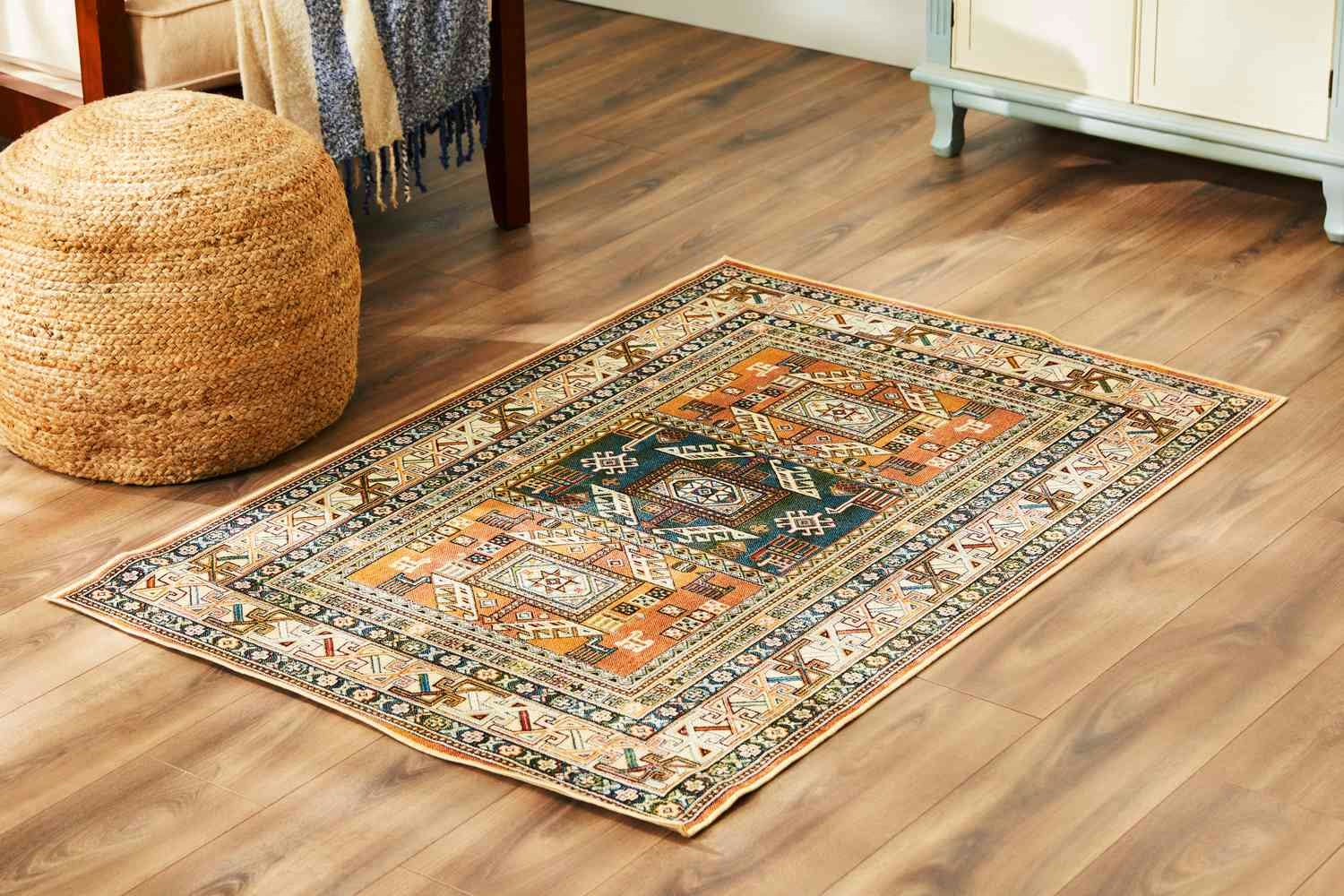
For example, if your living room already contains warm earthy tones such as beige furniture, walnut wood, and brass accents, a cool-toned gray rug may feel visually disconnected. In contrast, warm traditional rugs with subtle rust, gold, or ivory tones create a smoother transition throughout the room.
The best interiors usually repeat colors naturally across multiple design elements. A rug does not need to perfectly match furniture, but it should visually relate to surrounding pieces.
Light Rug Colors vs Dark Rug Colors
One of the most common questions in any rug color guide is whether lighter or darker rugs work better. The answer depends on room size, lighting conditions, and lifestyle needs.
Light-colored rugs create openness and brightness. Shades like ivory, cream, soft gray, sand, and beige reflect more light and make smaller rooms feel larger. These tones are especially popular in modern interiors where clean and airy aesthetics are preferred.
Light rugs help:
- Make rooms feel larger
- Reflect natural light
- Create an airy atmosphere
- Work well in minimalist interiors
Popular choices include:
- Ivory
- Beige
- Cream
- Soft gray
- Sand tones
Light rugs are ideal for smaller rooms and modern interiors.
However, light rugs also require more maintenance in busy households. Homes with pets, children, or heavy foot traffic may struggle to maintain very pale rugs over time.
Dark rugs create depth and warmth. Rich navy, charcoal, deep brown, burgundy, and forest green tones ground a room visually and make large spaces feel more intimate. Traditional interiors often benefit from darker Persian rugs or patterned hand knotted rugs because they add sophistication while also hiding daily wear more effectively. The choice between light and dark rugs should always balance both aesthetics and practicality.
Match Rug Colors with Interior Style
Different interior styles naturally work better with certain rug color palettes. Choosing colors that align with your overall design theme creates a more intentional and refined appearance.
Modern Interiors
Modern homes usually feature:
- Neutral tones
- Minimalist furniture
- Clean lines
Best rug colors:
- Gray
- Beige
- Black and white patterns
- Muted earth tones
Modern interiors typically favor neutral and understated rug colors. Gray, ivory, taupe, charcoal, and muted earth tones work well because they support minimalist furniture and open layouts without overwhelming the room. Modern rugs also tend to use softer patterns and subtle texture variations rather than heavy ornamentation.
Traditional interiors allow for richer and more layered colors. Deep reds, navy blues, golds, olive greens, and intricate Persian-inspired palettes add depth and timeless elegance. Traditional area rugs often become focal points because of their detailed craftsmanship and color complexity.
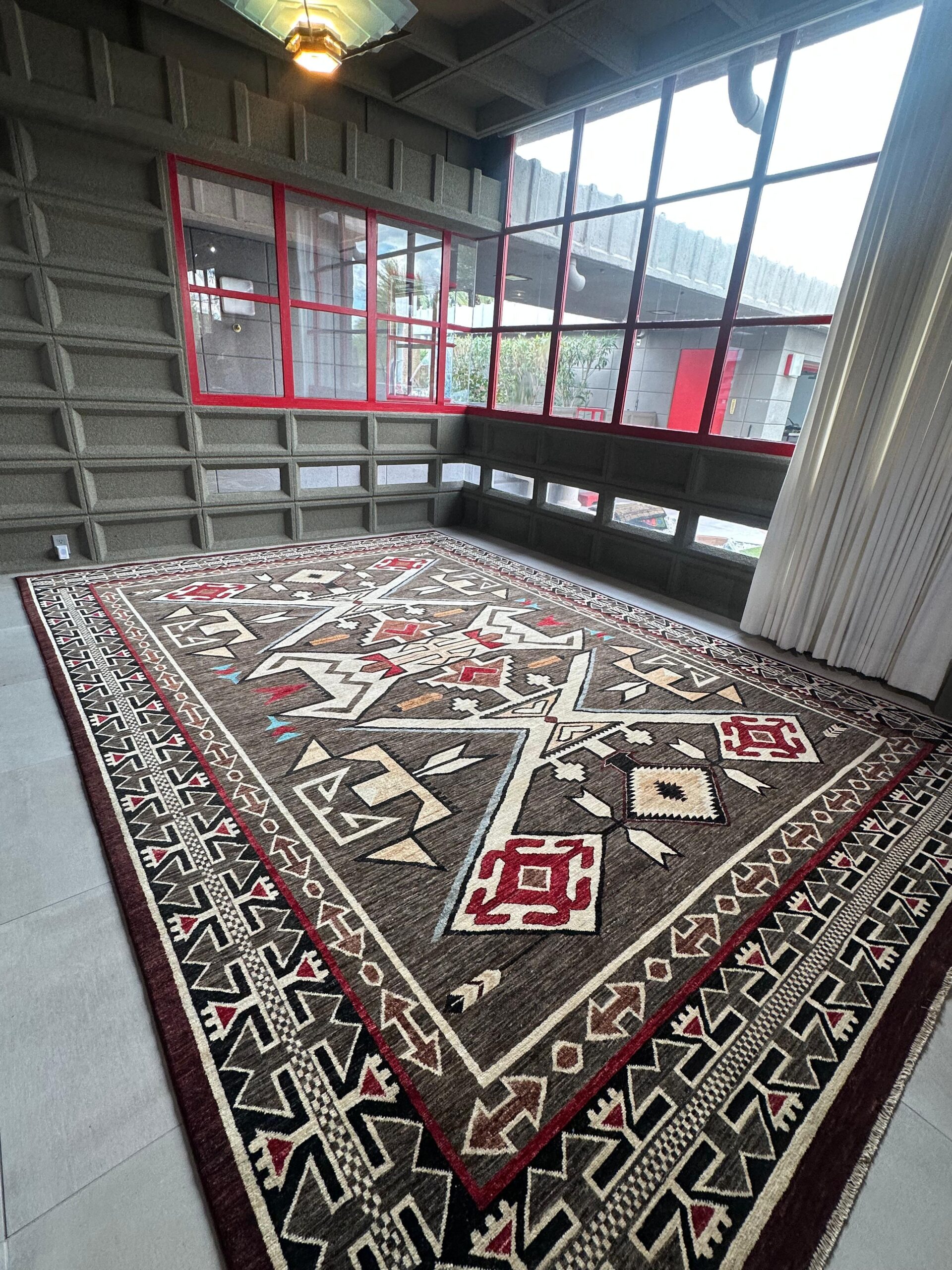
Bohemian and tribal-inspired interiors embrace warmer and more artistic combinations. Tribal rugs and kilim rugs often feature earthy reds, terracotta, indigo, camel, and natural vegetable-dyed tones that bring character and handcrafted authenticity into a space.
Understanding the relationship between rug color and interior style helps homeowners avoid mismatched design choices.
How Flooring Impacts Rug Color Selection
Flooring is one of the most overlooked factors when choosing a rug. Since rugs cover a large visual area, they must work naturally with the floor beneath them.
Dark hardwood floors often pair beautifully with lighter rugs because contrast creates balance. On the other hand, very dark rugs on dark flooring can sometimes make a room feel visually heavy.
Light wood floors offer greater flexibility and work well with both warm and cool rug tones.
For homes with tile or stone flooring, rugs often help soften the visual hardness of the space. Warm wool rugs or hand knotted rugs can make these interiors feel more inviting and comfortable.
The goal is to create enough contrast for the rug to stand out without visually fighting the floor color.
How Furniture Color Affects Rug Selection
Your rug should support furniture instead of blending into it completely.
If Furniture Is Neutral:
You can choose a bold or colorful rug to create visual interest.
If Furniture Is Colorful:
Select a more balanced rug color that complements without overpowering the space.
Important Tip:
Avoid matching the rug exactly to the sofa color. Slight contrast creates a more sophisticated appearance.
The Role of Lighting in Rug Color Appearance
Lighting dramatically changes how rug colors appear throughout the day. Natural sunlight, warm artificial lighting, and cool LED lighting all affect rug tones differently.
A rug that appears beige in a showroom may look more gray or cream inside a home depending on lighting conditions. Rooms with strong sunlight usually make colors appear brighter and warmer, while darker rooms can mute rug colors significantly.
This is why professional rug buyers often recommend viewing rugs inside the actual room whenever possible. Lighting conditions should always be considered before making a final decision.
Large windows and bright interiors generally work best with balanced or cooler rug tones, while darker spaces benefit from warmer and lighter rug palettes that add brightness.
Patterned Rugs vs Solid Rugs
Pattern influences how rug color interacts with the rest of the interior. Patterned rugs distribute color across multiple tones, which makes them highly versatile.
Traditional Persian rugs, tribal rugs, and vintage rugs often include several coordinated colors that naturally tie furniture and décor together. This flexibility makes patterned rugs easier to integrate into layered interiors.
Warm Colors vs Cool Colors
Understanding color temperature helps create emotional balance in a room.
Warm Rug Colors
Warm tones create comfort and intimacy.
Examples:
- Red
- Rust
- Orange
- Gold
- Brown
Best for:
- Traditional homes
- Cozy living rooms
- Rustic interiors
Cool Rug Colors
Examples:
- Blue
- Gray
- Green
- Silver
- Soft white
Best for:
- Contemporary interiors
- Modern homes
- Relaxed environments
Pattern also affects how color behaves in a room.
Patterned Rugs
- Hide stains better
- Add character
- Create focal points
Ideal for:
- Family rooms
- High-traffic spaces
- Traditional interiors
Solid Rugs
- Create calm visual flow
- Work well in minimalist spaces
- Highlight furniture and décor
Ideal for:
- Modern interiors
- Smaller rooms
- Contemporary designs
Solid rugs create a cleaner and more minimalist appearance. They work especially well in modern spaces where furniture shapes and architectural elements are intended to stand out.
However, completely solid rugs sometimes show stains, dust, or wear more easily than patterned designs. This is why many homeowners prefer subtle textures or tone-on-tone patterns instead of completely flat colors.
Choosing Rug Colors for Different Rooms
Different rooms require different emotional atmospheres, and rug color plays a major role in setting that tone.
Living Room
Use colors that connect seating, walls, and décor together. Living rooms benefit from balanced colors that connect furniture pieces together while maintaining comfort and warmth.
Bedroom
Choose calming and relaxing tones like soft beige, blue, or muted gray. Bedrooms usually work best with softer calming tones such as beige, muted blue, soft gray, or warm ivory because these colors create a more relaxing environment.
Dining Room
Darker rugs are practical for hiding stains and daily wear. Dining rooms often perform better with darker or patterned rugs that can handle spills and chair movement more effectively.
Hallways
Patterned runner rugs help disguise traffic and dirt. Hallways and entryways typically benefit from patterned runner rugs because they hide traffic wear while adding visual interest to transitional spaces.
Each room should feel connected to the overall home while still serving its own purpose.
Final Opinion
Choosing the right rug color requires more than following trends. A successful rug selection considers room lighting, furniture color, flooring, interior style, and practical lifestyle needs together.
The best rug colors feel natural within the space rather than forced. Whether you prefer modern neutrals, bold tribal designs, or timeless Persian rugs, understanding how colors interact with interiors helps create rooms that feel balanced, comfortable, and visually complete.
A carefully chosen rug does more than cover the floor. It shapes the atmosphere of the entire room and becomes one of the most important design elements inside the home.
How to pick a rug color for living room?
To pick the right rug color for a living room, start by evaluating your furniture, wall paint, flooring, and lighting. Neutral rugs like beige, ivory, and gray create a balanced and timeless appearance, while darker or patterned rugs add depth and character.
How to pick a rug color for bedroom?
Bedroom rugs should create a calm and comfortable atmosphere. Soft colors such as cream, light gray, muted blue, and warm beige help make the space feel relaxing and peaceful. Plush wool rugs and hand knotted rugs are popular choices for bedrooms because they add warmth and softness underfoot.
What color rug should I get quiz?
Homes with pets or children often perform better with darker or patterned rugs that hide stains and daily wear. Traditional homes pair well with rich Persian-style colors, while modern interiors often look best with neutral contemporary rug tones.
How to pick a rug size for living room?
Small rugs can make a room feel disconnected, while oversized rugs help create balance and visual flow. Leave approximately 8 to 12 inches of visible flooring around the edges of the rug for a well-proportioned appearance.