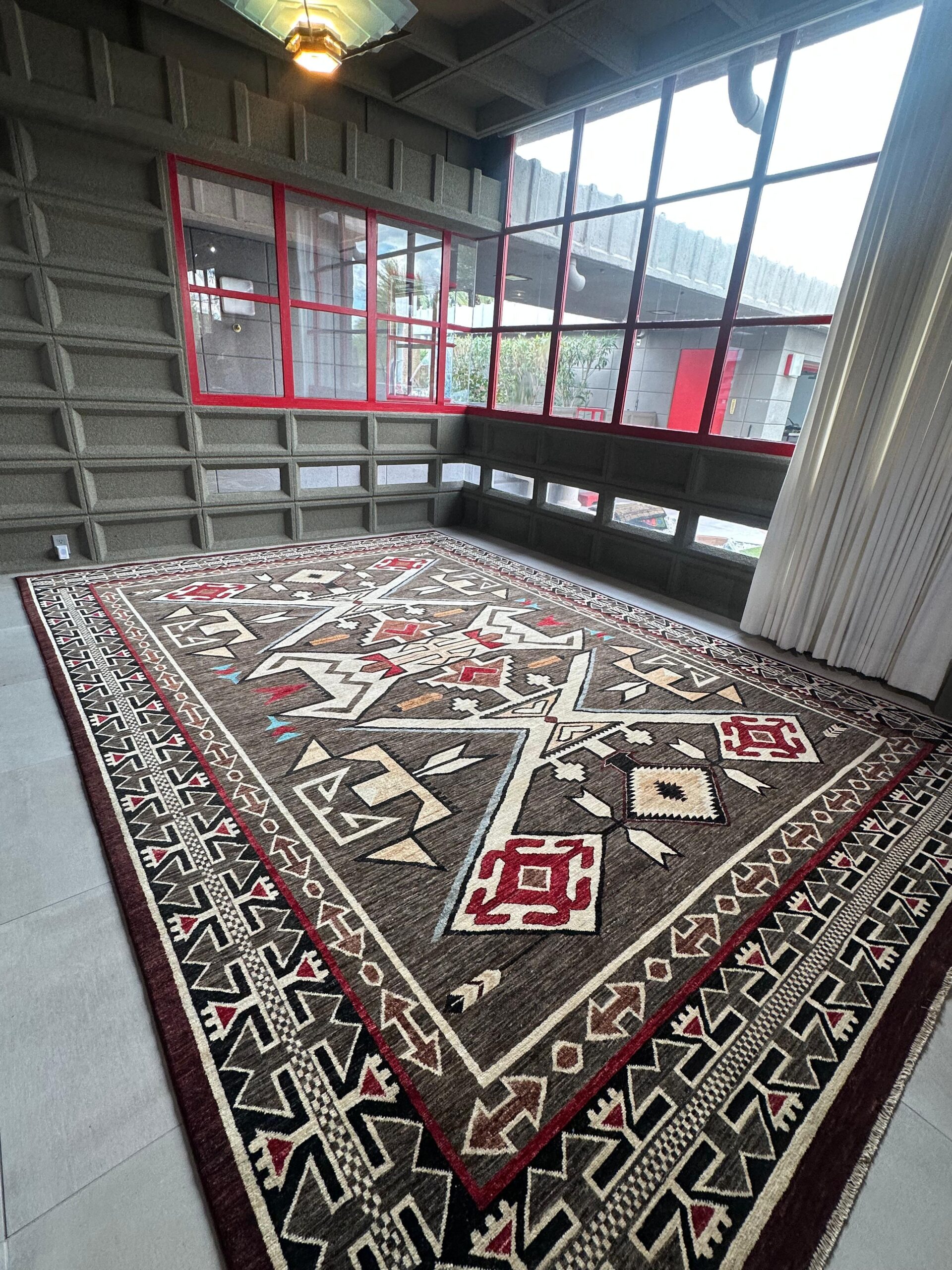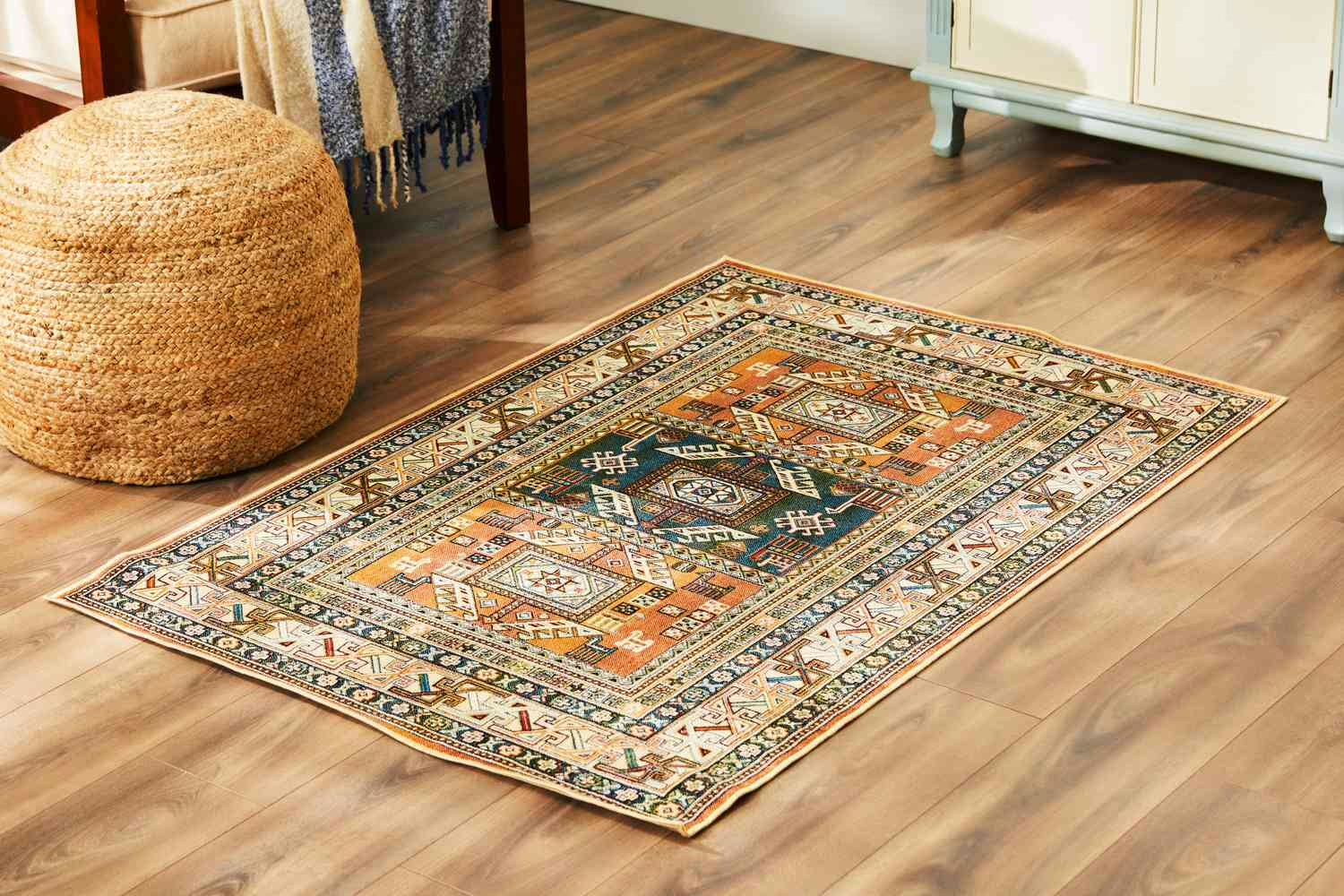
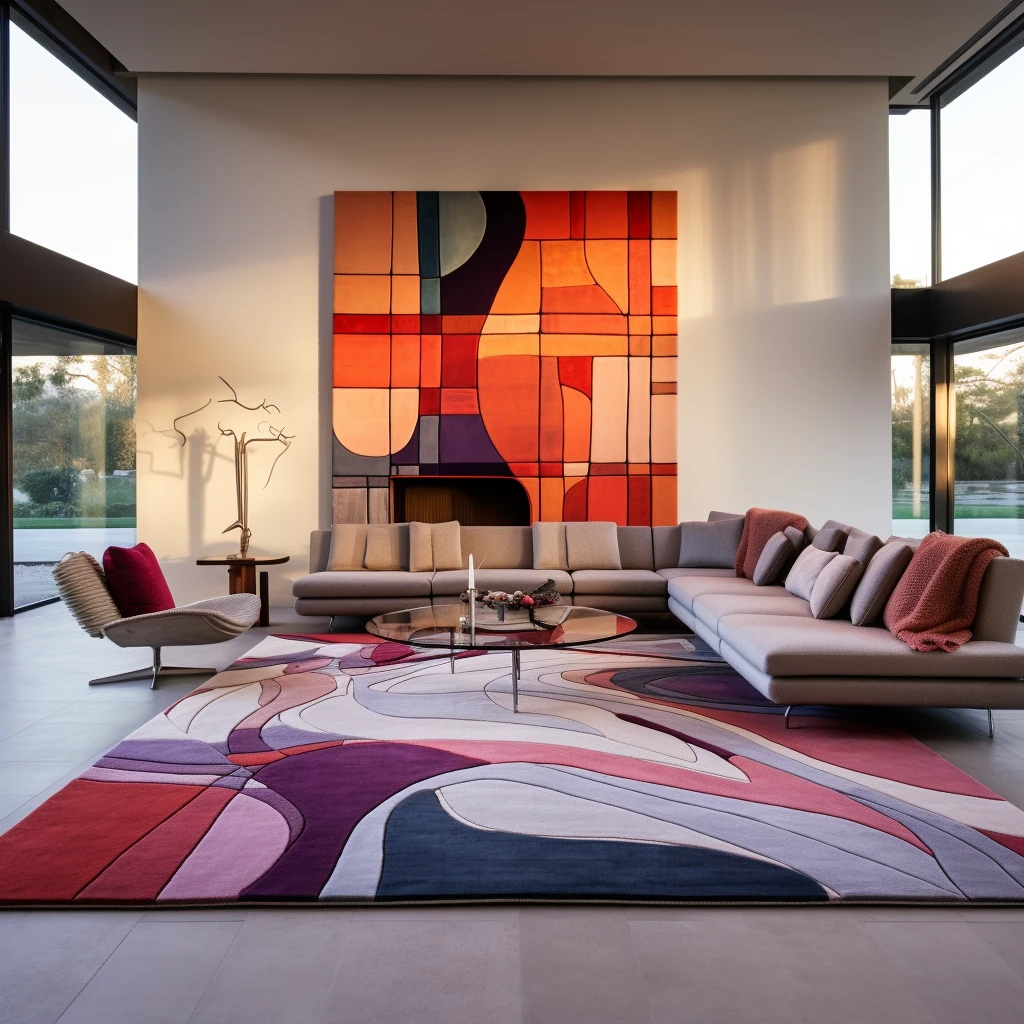
Layering rugs in interior design means placing a smaller decorative rug on top of a larger neutral base rug to add texture, warmth, and visual depth to a room. The technique works best when the base rug is a flat weave like jute or sisal, and the top rug has more pattern, color, or pile height. In Scottsdale homes with tile and stone flooring, rug layering also adds comfort underfoot in rooms that otherwise feel cold or bare.
Important Points
- Layering rugs adds texture, defines separate zones in open-concept rooms, and softens hard flooring common in Scottsdale homes.
- The most reliable combination is a flat-weave natural fiber base (jute, sisal, or seagrass) topped with a patterned or textured accent rug.
- Base rugs should extend at least 6–12 inches beyond furniture groupings, while the top rug typically covers 60–70% of the base.
- Interior designers in the Phoenix metro area report layered rugs are increasingly used in living rooms, entryways, and bedrooms to break up large tile and stone surfaces.
- A non-slip rug pad between layers prevents shifting and protects both rugs from friction damage.
What Is Rug Layering In Interior Design?
Rug layering is the practice of stacking two rugs of different sizes, textures, or patterns to create a more finished, intentional look in a room. Instead of choosing one rug to cover a floor, designers use a large neutral rug as a foundation and add a smaller, more decorative rug on top. This approach gives a room built-in visual layers the same way a throw blanket or accent pillow adds dimension to a couch.
The technique became popular in residential design over the past decade as open-concept floor plans grew common, especially in newer Scottsdale and Phoenix-area builds where large tile expanses need visual breaks. A layered rug se
tup can define a seating area within an open living room without adding walls or furniture.
Why Do Interior Designers Recommend Layering Rugs?
Layering rugs solves a few practical problems at once. First, it adds warmth and softness to hard flooring, which matters in Scottsdale homes where tile, polished concrete, and engineered hardwood dominate newer construction. Second, it helps define separate zones in open floor plans, such as marking off a reading nook within a larger living room. Third, it allows homeowners to mix textures and patterns without overwhelming a space, since the base rug keeps the overall palette grounded.
Design consultants working across the Phoenix metro area often point to layering as a lower-cost way to update a room’s look. Swapping a top accent rug seasonally or when redecorating costs far less than replacing an entire room-sized rug.
How Do You Layer Rugs The Right Way?
- Start with the base rug. Choose a large, neutral, flat-weave rug like jute or sisal that covers most of the floor area under the furniture group.
- Measure before buying the accent rug. The top rug should cover roughly 60–70% of the base rug’s visible area, leaving an even natural-fiber border showing around the edges.
- Choose contrasting textures. Pair a flat, low-pile base with a plush, patterned, or textured top rug — Persian, Moroccan, or shag styles work well here.
- Center the layout under key furniture. Position the top rug so the front legs of a sofa or chairs rest on it, anchoring the seating area visually.
- Add a non-slip pad between layers. This keeps the top rug from sliding and reduces wear on both rugs from constant friction.
- Rotate seasonally if desired. Many homeowners swap the top rug for a heavier textured piece in cooler months and a lighter woven rug in summer.
Which Rug Combinations Work Best?
Not every pairing works well together. Some combinations create visual clutter, while others feel intentional and balanced.
| Base Rug Type | Top Rug Type | Best Room | Style Result |
| Jute or sisal (flat weave) | Persian or Oriental pattern | Living room | Warm, layered, classic |
| Solid neutral wool | Moroccan Beni Ourain style | Bedroom | Cozy, textural, modern |
| Seagrass or rattan-look | Vintage distressed rug | Entryway | Relaxed, lived-in |
| Large gray flat weave | Bold geometric print | Home office | Grounded, contemporary |
| Natural fiber runner | Small patterned accent | Hallway | Layered without bulk |
Rug Layering vs. Single Rug: Which Is Better?
| Factor | Layered Rugs | Single Rug |
| Visual depth | High | Moderate |
| Cost to update look | Low (swap top rug only) | High (replace whole rug) |
| Best for open floor plans | Yes | Sometimes |
| Maintenance | Two rugs to clean | One rug to clean |
| Setup complexity | Moderate | Simple |
Local Angle: Rug Layering Across the Scottsdale Area
Homes throughout Scottsdale, Phoenix, Paradise Valley, Tempe, and Cave Creek increasingly favor open-concept layouts with large tile or stone floors, a style common in builds completed after 2010 across the East Valley. These hard-surface floors look sleek but can feel visually flat and acoustically harsh without something to break up the space. Layered rugs address both issues at once, softening the room’s sound and adding warmth without a full remodel.
In older neighborhoods near Old Town Scottsdale, where original hardwood floors are more common, homeowners often use rug layering differently — pairing a smaller vintage or heirloom-style rug over a larger jute base to protect the original wood finish while still showing it off around the edges. Local interior design showrooms across the Scottsdale and Phoenix area regularly stock jute and sisal base rugs specifically because of this demand for layered looks in both new and older homes.
Finally
Layering rugs in interior design is one of the simplest ways to add texture, warmth, and visual structure to a room without a full renovation. For homeowners across Scottsdale, Phoenix, Tempe, and the surrounding East Valley, where tile and stone flooring are common, a layered rug setup softens hard surfaces and helps define living spaces in open floor plans. Starting with a neutral flat-weave base and adding a textured or patterned accent rug on top is a reliable formula that works across most room styles and budgets.
Faqs
What size rug should go on top when layering? The top rug should generally cover about 60–70% of the base rug, leaving a visible border of the base showing around the edges. This keeps the layered look balanced rather than cluttered.
Can you layer two patterned rugs together? It’s possible but riskier. Most designers recommend keeping one rug solid or flat-woven and letting only one rug carry the pattern, so the layered look stays cohesive instead of busy.
Do layered rugs work in small rooms? Yes, with adjustments. In smaller rooms, use a smaller base rug and a proportionally smaller accent rug, and stick to lighter colors to avoid making the space feel cramped.
Is rug layering good for homes with pets or kids? Yes, as long as both rugs are secured with a non-slip pad. Durable, easy-to-clean materials like jute for the base and low-pile wool for the top hold up well in active households.
How much does it cost to layer rugs versus buying one large rug? A layered setup often costs less overall, since the base rug (jute or sisal) is typically inexpensive, and only the smaller accent rug needs a higher design budget.
Where can I find rug layering ideas near Scottsdale? Local home décor and rug retailers throughout the Scottsdale and Phoenix metro area often display layered rug setups in-store, and many offer design consultations to help match rugs to a specific room.