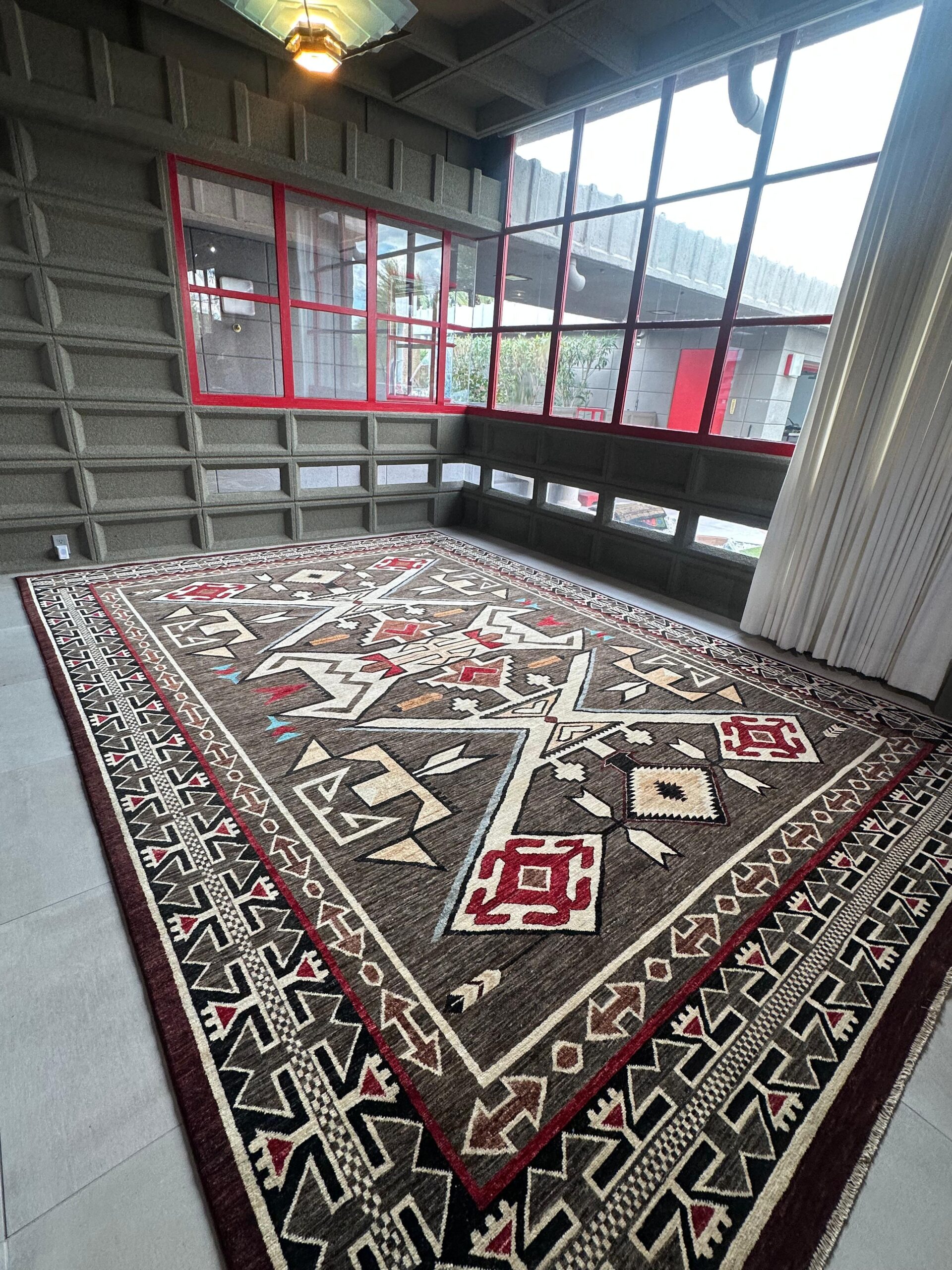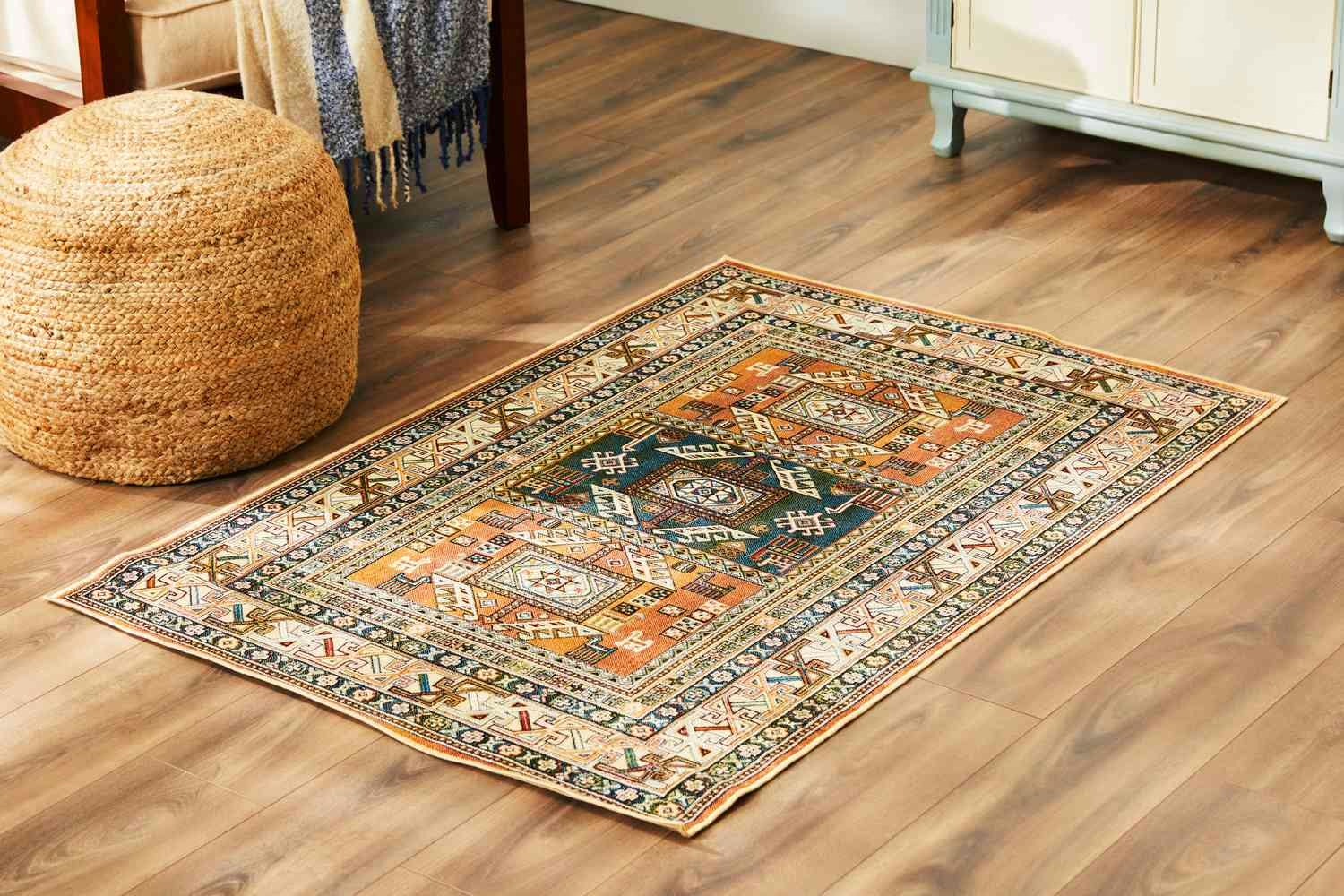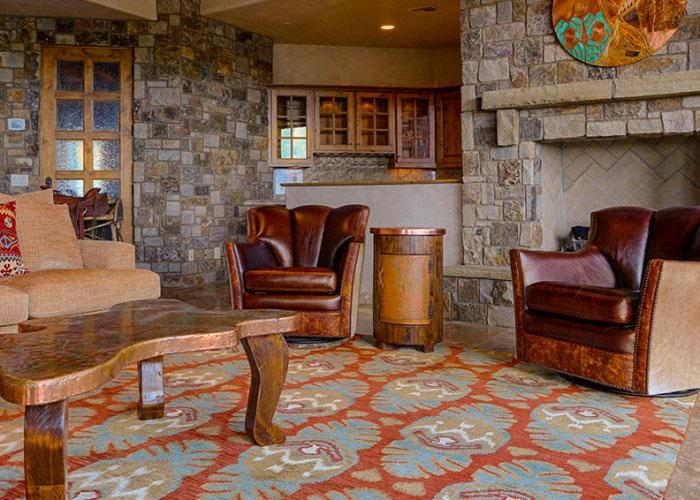
A trade ready rug supplier offers designer pricing tiers, fast sampling and lead times, consistent inventory across reorders, trade only account access, and dedicated support for project scale orders. Interior designers and architects across Scottsdale evaluate suppliers like Alyshaan on these factors before adding them as a preferred vendor for residential and commercial projects.
- A trade ready supplier separates retail customers from trade accounts, offering designers wholesale or trade pricing instead of retail markup.
- Fast, reliable sampling, ideally within 3 to 7 business days, is one of the top factors designers use to vet a new rug vendor.
- Consistent dye lots and inventory tracking matter most on multi unit projects, such as hospitality or model home programs, where color matching across rooms is critical.
- Suppliers offering custom sizing, on site consultations, and trade specific account managers reduce friction for designers managing multiple active projects.
- Alyshaan works directly with interior designers and architects across Scottsdale and the greater Phoenix area, providing trade account access built around these exact standards.
What Does Trade Ready Actually Mean for a Rug Supplier
Trade ready is a term designers use to describe a vendor that understands how design firms actually operate, rather than one that only sells to individual homeowners. A trade ready rug supplier has a separate account structure for design professionals, offers pricing that reflects volume and repeat business, and can support a project timeline that often moves faster than a typical retail purchase.
This distinction matters because a designer sourcing rugs for a client project has different needs than someone shopping for one rug for their own living room. A designer might need three rug options sent to a client for approval within a week, a custom size cut for an unusual room, and the ability to reorder the same rug months later for a second phase of the same project. A supplier not built for this workflow slows the entire project down.
Why Do Interior Designers Care About Trade Pricing and Account Structure
Trade pricing exists because designers are effectively acting as a sales channel for the supplier, bringing in project volume the vendor would not otherwise see through retail alone. In exchange, most established rug suppliers offer a trade discount, commonly in the range of 15 to 40 percent off retail pricing, along with net payment terms instead of requiring full payment up front.
A proper trade account also separates a designer’s business purchases from personal ones, which matters for invoicing, markup transparency with their own clients, and tax documentation. According to guidance commonly issued by industry groups such as the American Society of Interior Designers, professional vendor relationships built on clear trade terms are one of the factors design firms weigh most heavily when choosing long term suppliers for Rugs over one time vendors.
How Fast Should Sampling and Lead Times Be for a Trade Account
Sampling speed is one of the most practical tests designers use to judge whether a supplier is truly set up for trade work. A homeowner might be fine waiting two or three weeks for a sample swatch, but a designer juggling a client presentation deadline usually cannot.
- Request a sample within the first inquiry and note how many business days it takes to arrive.
- Ask whether the supplier keeps a physical showroom or sample library that can be viewed in person, which matters for designers based in or near Scottsdale who prefer hands on material review.
- Confirm standard lead times for in stock rugs versus custom or made to order pieces, since these can range from a few days to 12 or more weeks depending on the rug type.
- Ask about rush options for time sensitive projects, and whether rush fees apply.
- Clarify how the supplier communicates delays, since project timelines depend on knowing early if a rug will be late.
A supplier that can turn around a sample request in 3 to 7 business days and clearly communicates lead times on custom orders is generally considered trade ready by most design industry standards.
Which Vendor Qualities Separate a Trade Ready Supplier From a Retail Only Seller
The table below compares the practical differences designers typically notice between a supplier built for trade partnerships and one focused only on individual retail sales.
| Factor | Trade Ready Supplier | Retail Only Supplier |
| Pricing structure | Trade discount, often 15 to 40 percent off retail | Full retail pricing for all customers |
| Account type | Dedicated trade account with account manager | Standard customer account only |
| Sample turnaround | Typically 3 to 7 business days | Often 2 to 3 weeks or unavailable |
| Custom sizing | Available, with clear lead time estimates | Limited or not offered |
| Reorder consistency | Dye lot tracking for multi unit projects | No dye lot matching guarantee |
| Payment terms | Net 30 or similar terms for established accounts | Payment due at time of purchase |
| Project support | Direct communication for large or phased orders | General customer service only |
What Should Be on a Designer’s Vendor Checklist Before Committing
Before adding a new rug supplier as a preferred vendor, most design firms run through a short evaluation process to confirm the partnership will hold up across multiple projects, not just one.
- Confirm the supplier offers a documented trade discount and clear terms in writing, not just a verbal promise.
- Check whether the supplier can provide a Certificate of Insurance if required for commercial or hospitality projects.
- Ask about return and exchange policies specifically for trade orders, since these often differ from retail return windows.
- Review the supplier’s inventory depth, especially for popular sizes and materials that get reordered often.
- Ask for references from other designers or firms who have used the supplier on past projects.
- Confirm whether the supplier supports both residential and commercial scale orders, particularly if your firm handles both.
Local Angle: Trade Partnerships Across the Scottsdale Design Community
Scottsdale has one of the more concentrated interior design markets in the Phoenix metro area, with a high volume of custom home builds, remodels, and hospitality projects across Old Town Scottsdale, North Scottsdale, and Paradise Valley. This concentration means local designers frequently rely on a small number of trusted trade vendors they can call on repeatedly across multiple client projects, rather than sourcing from a new supplier every time.
Alyshaan works directly with interior designers, architects, and builders across Scottsdale, Phoenix, Paradise Valley, Cave Creek, and Fountain Hills, offering trade account access, in person consultations, and custom sizing for both residential and commercial rug projects. For design firms managing multiple properties, such as model homes across a new construction community or guest rooms in a hospitality project, Alyshaan’s trade program is built specifically to handle dye lot consistency and reorder needs across those larger scale jobs, something many retail focused sellers in the region are not equipped to manage.
At The End
Knowing what makes a rug supplier trade ready comes down to pricing transparency, fast and reliable sampling, consistent inventory across reorders, and genuine support for project scale work, not just one time retail transactions. For interior designers and architects working across Scottsdale, Phoenix, Paradise Valley, and the surrounding communities, Alyshaan offers a trade partnership built around exactly these standards, giving design professionals a dependable rug vendor for both single room projects and larger multi property work.
FAQs
What discount do rug suppliers typically offer trade accounts?
Trade discounts commonly range from 15 to 40 percent off retail pricing, depending on the supplier and order volume. Some suppliers also offer tiered discounts that increase with annual purchase totals.
How do I set up a trade account with a rug supplier?
Most suppliers require proof of an active design business, such as a business license, resale certificate, or portfolio of past projects, before approving a trade account application.
How long does custom rug sizing usually take?
Custom sizing timelines vary by rug type and material, but typically range from 4 to 12 weeks. Suppliers with in house production or closer manufacturing relationships tend to offer faster turnaround.
Can a rug supplier handle multiple properties in one order?
Trade ready suppliers with dye lot tracking and inventory management systems can typically fulfill multi property orders while keeping colors and materials consistent across units, which matters most for hospitality and new construction projects.
Do trade rug suppliers offer in person consultations near Scottsdale?
Yes. Several suppliers serving the Scottsdale area, including Alyshaan, offer in person showroom visits and on site consultations for designers working on active local projects.
What is the difference between wholesale pricing and trade pricing for rugs?
The terms are often used interchangeably, but trade pricing generally refers to a discount extended specifically to design professionals with an active account, while wholesale can also apply to bulk retail resellers.